
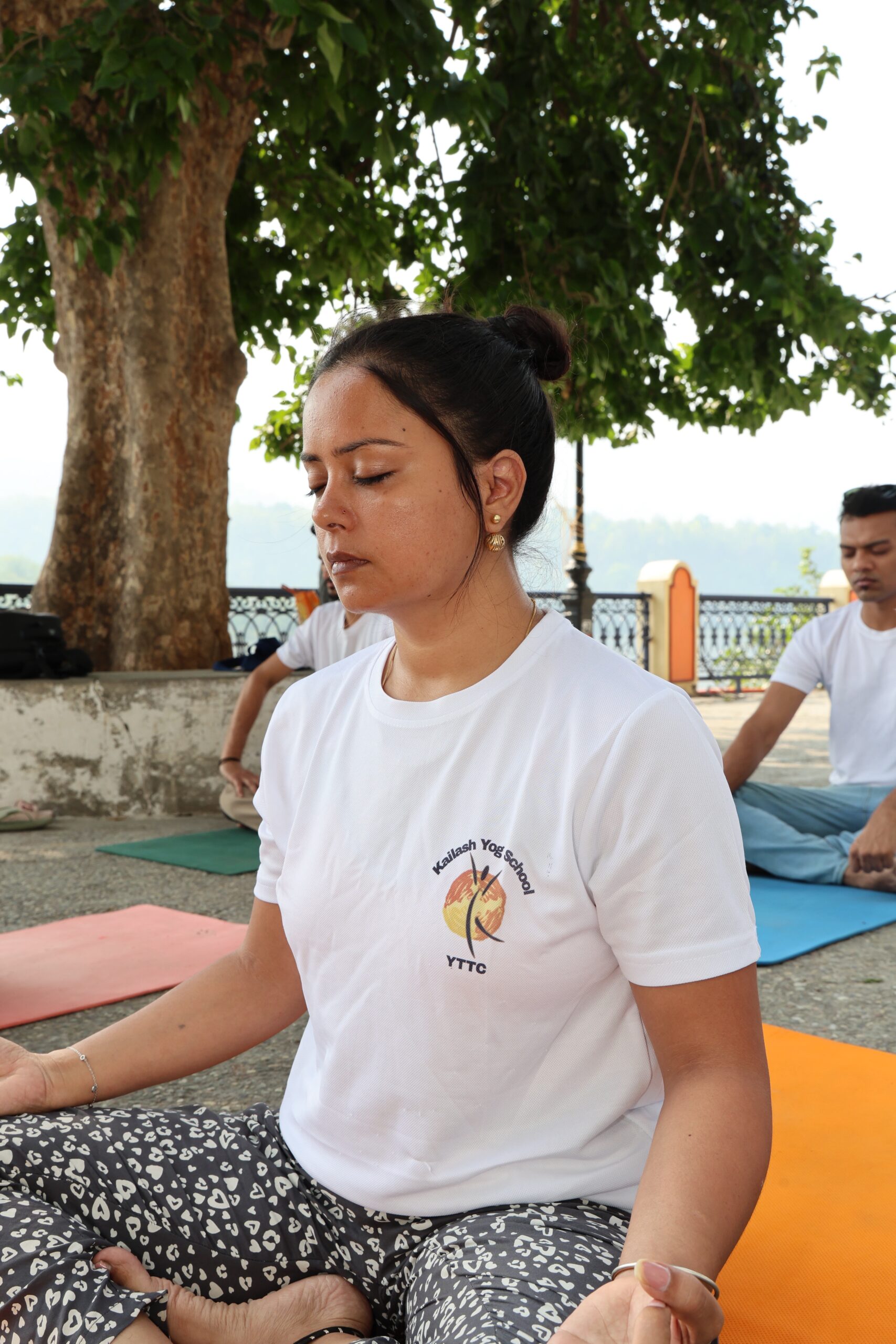
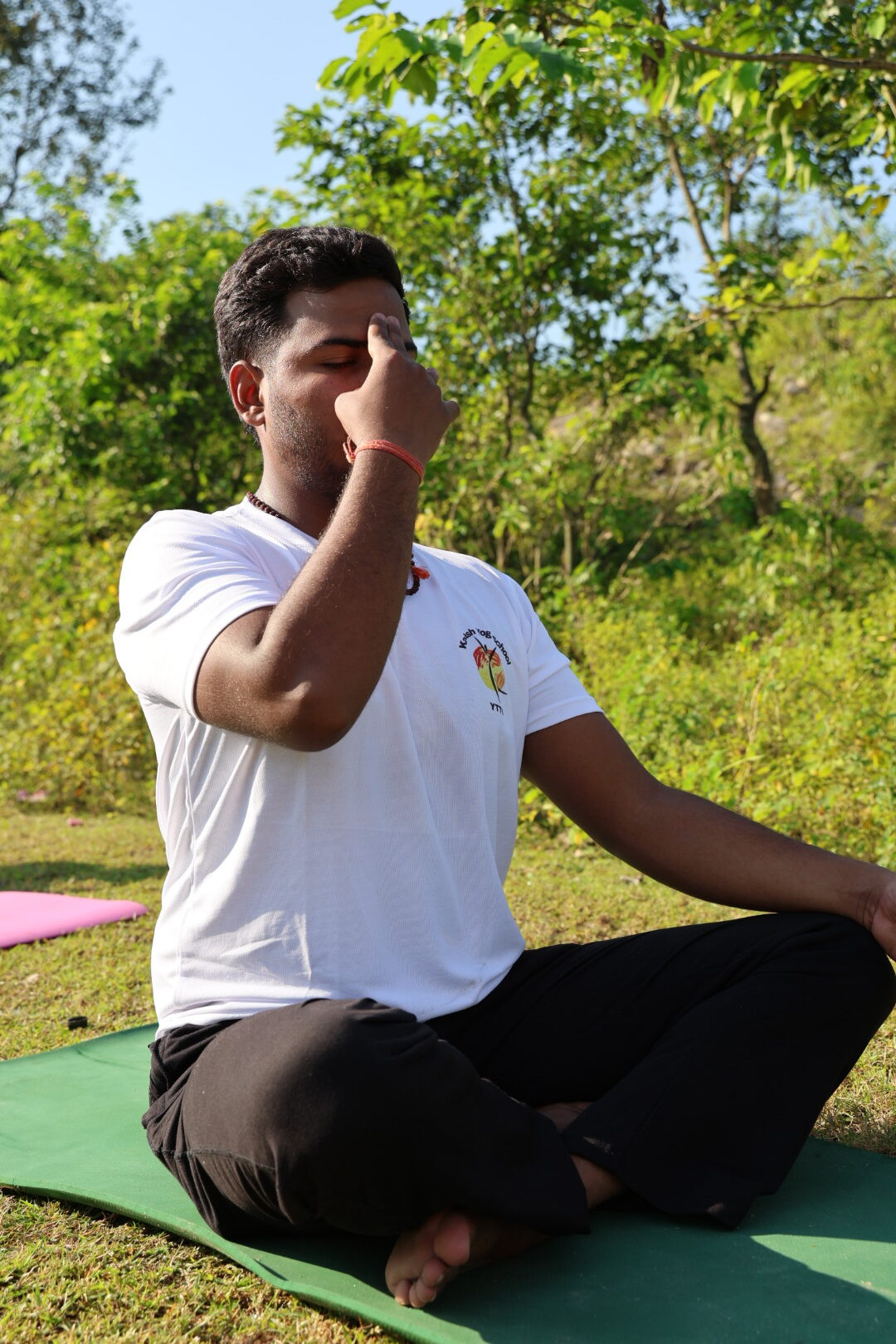
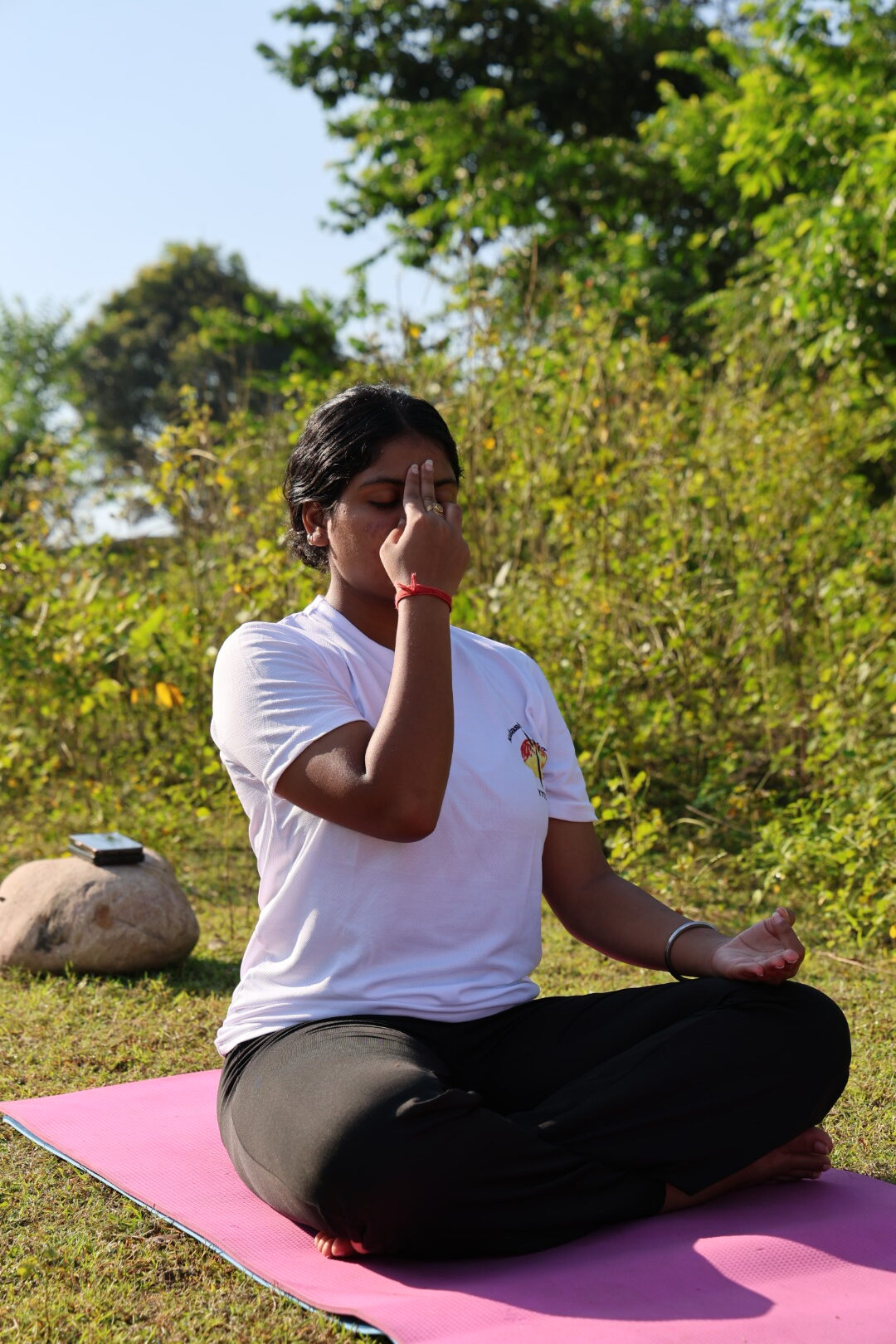
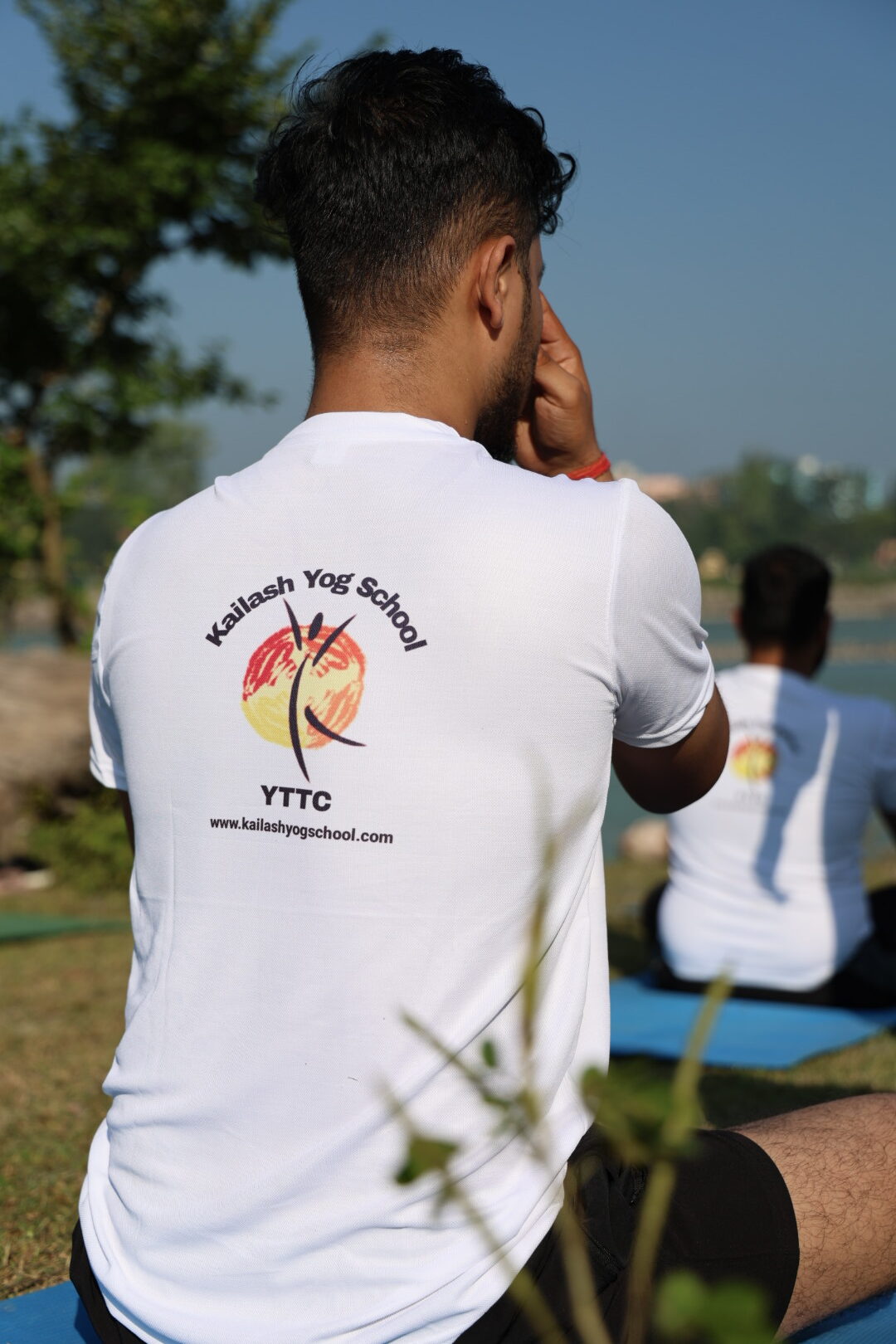
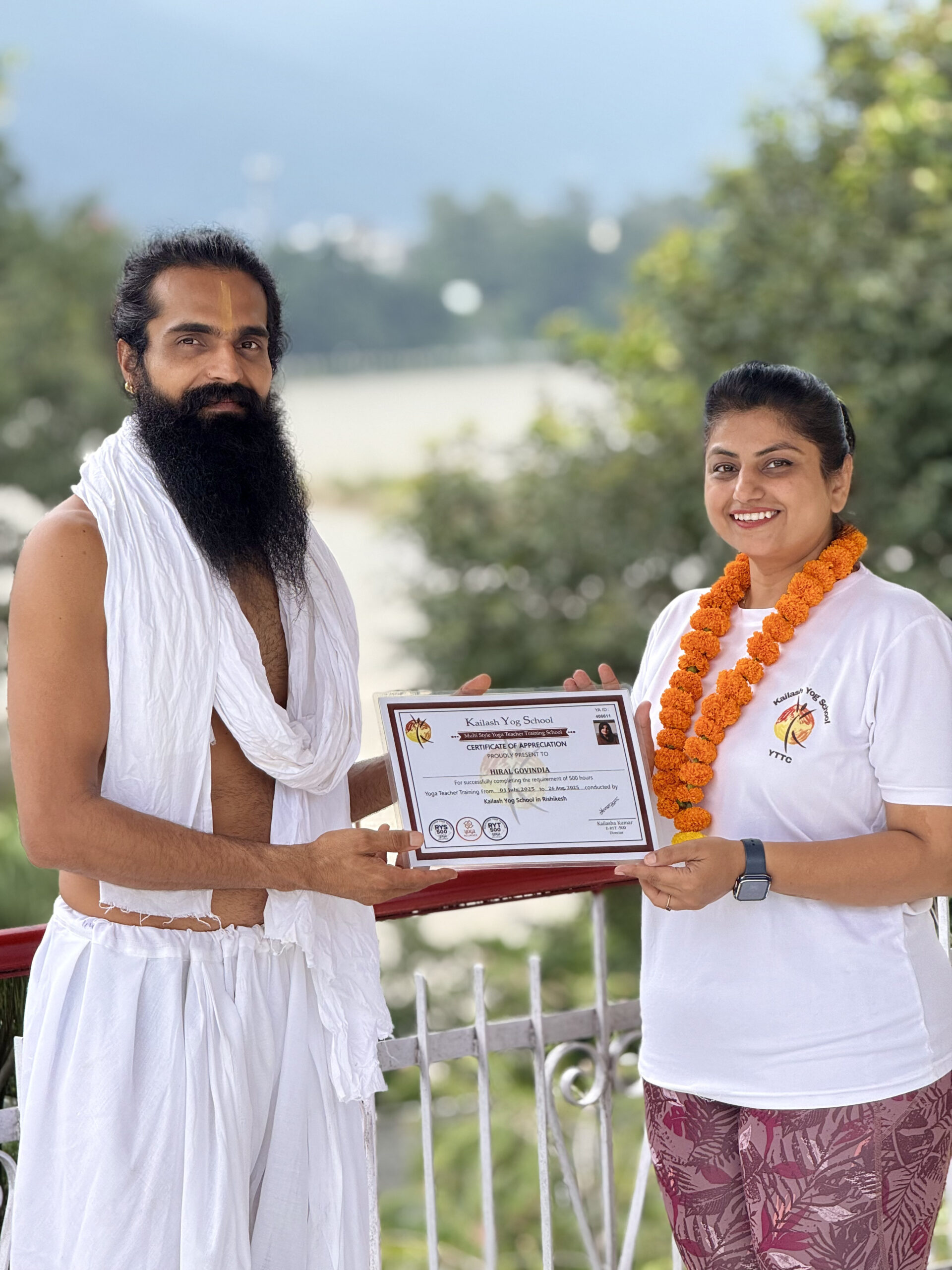
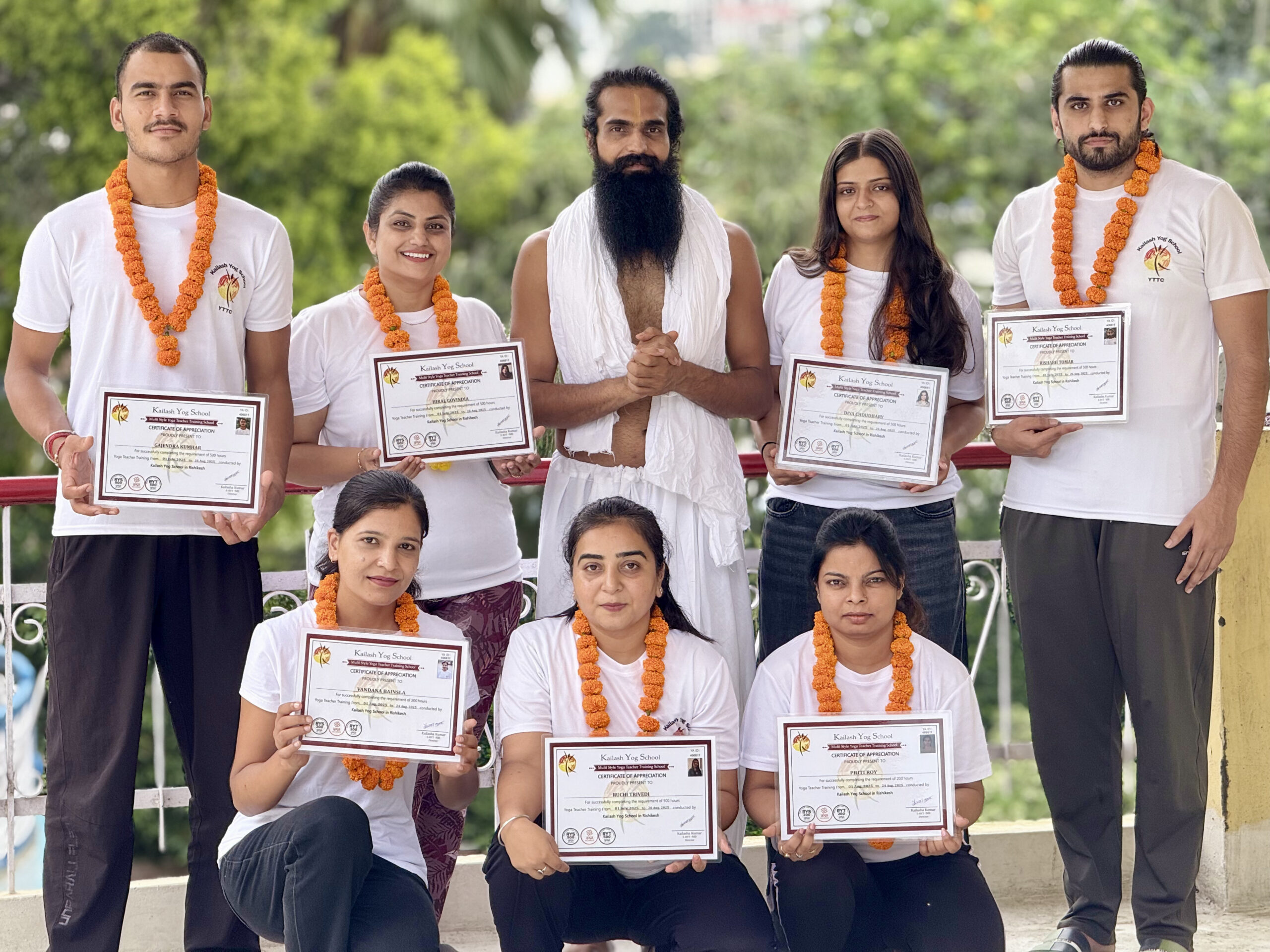
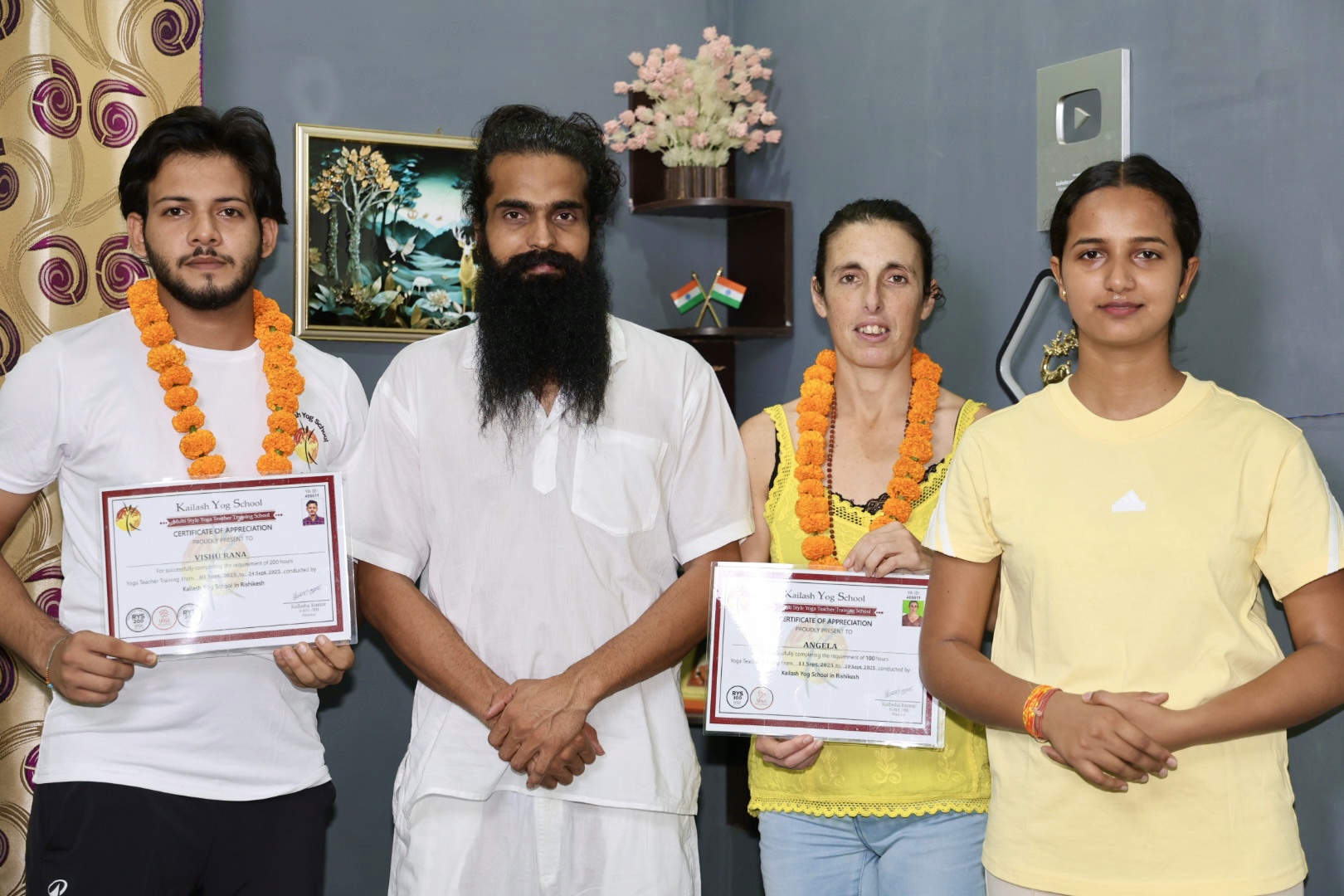
Overview
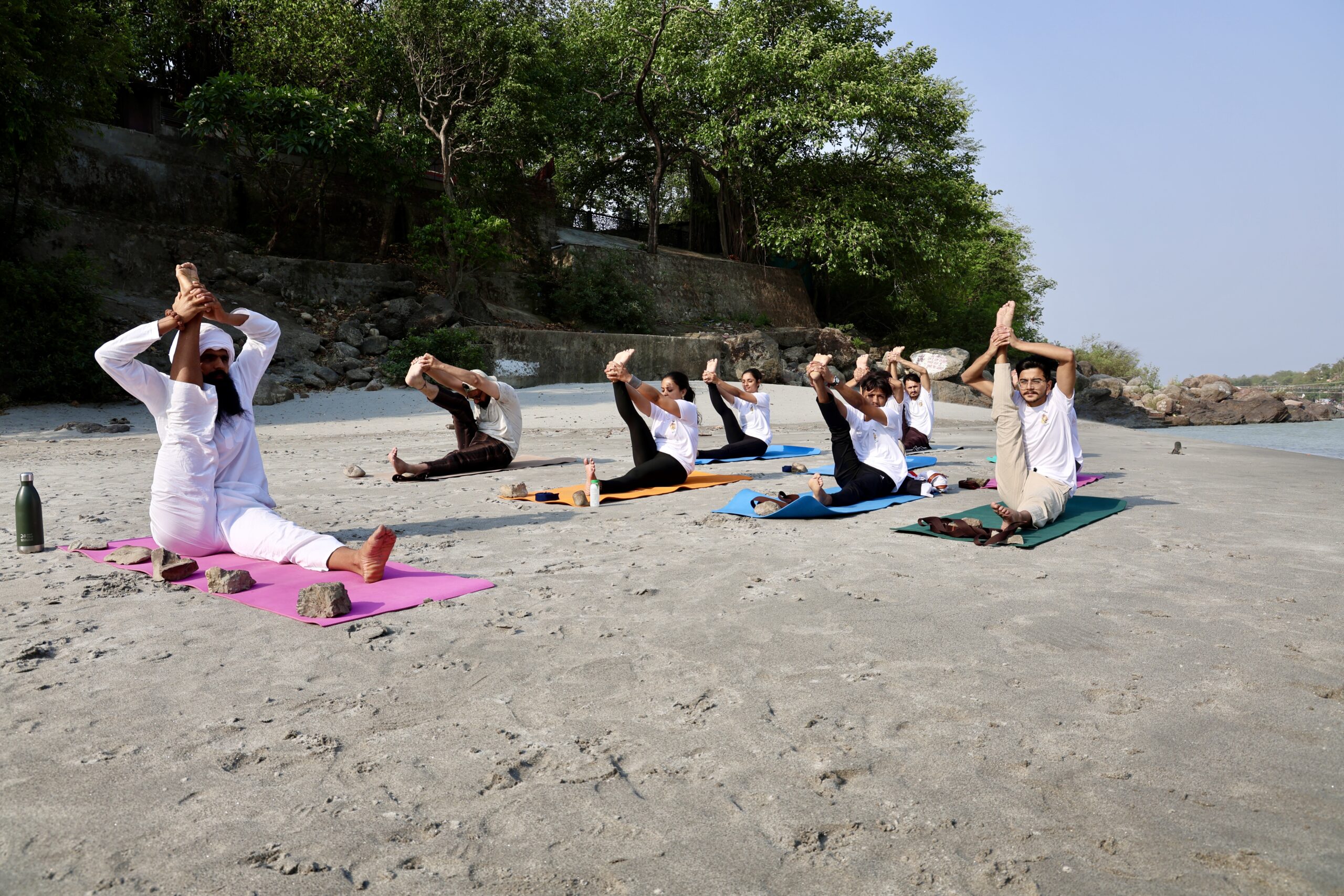
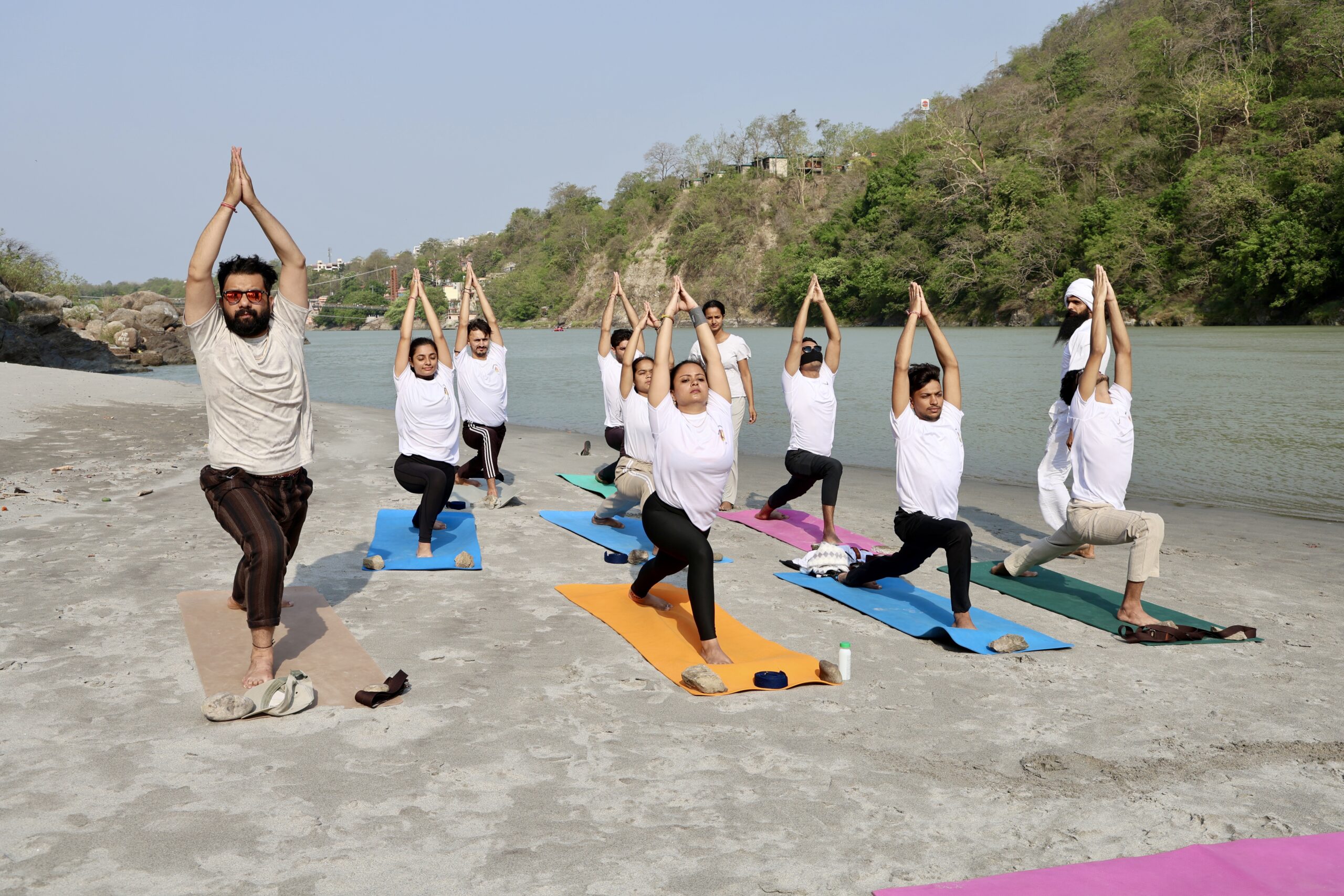
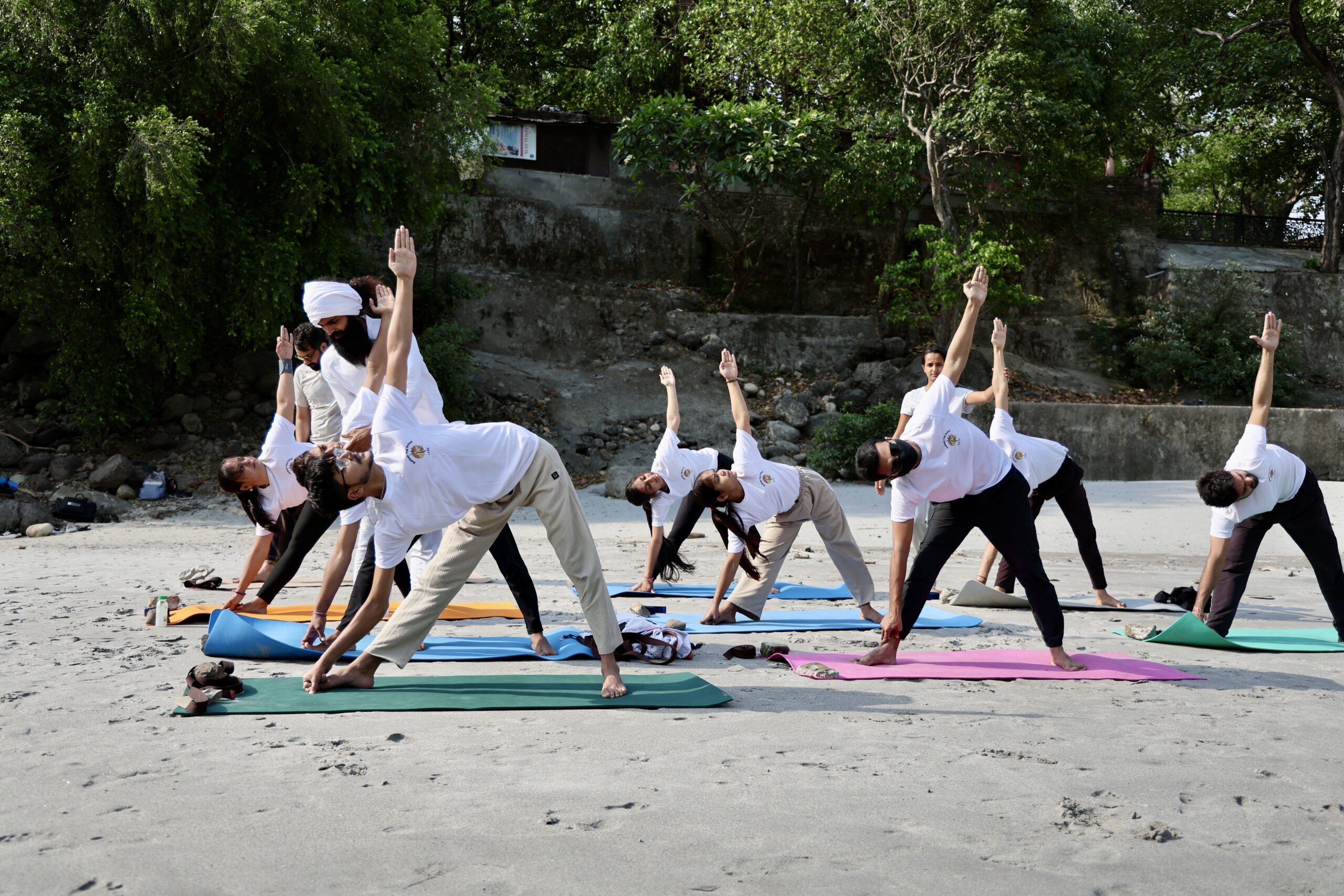
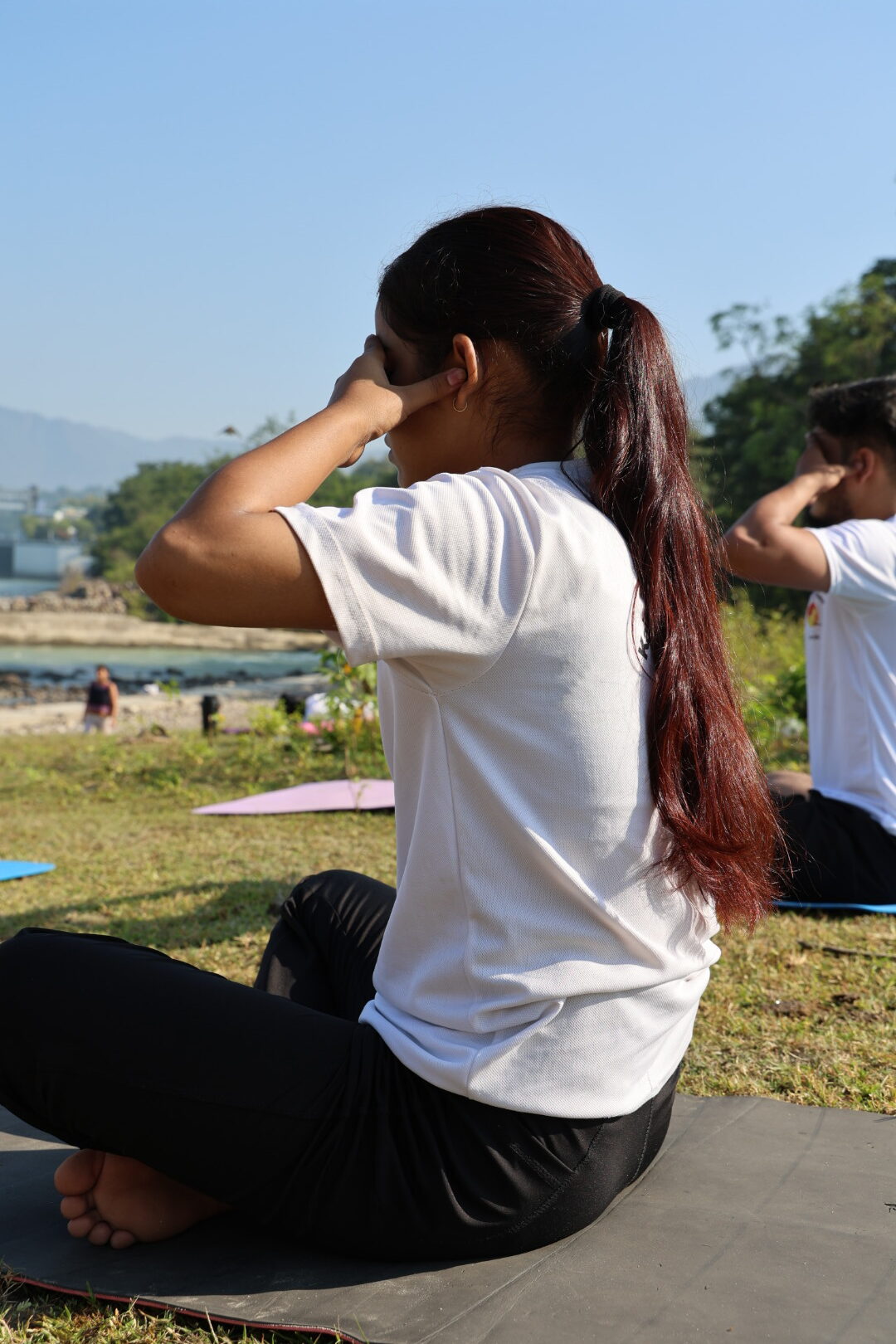
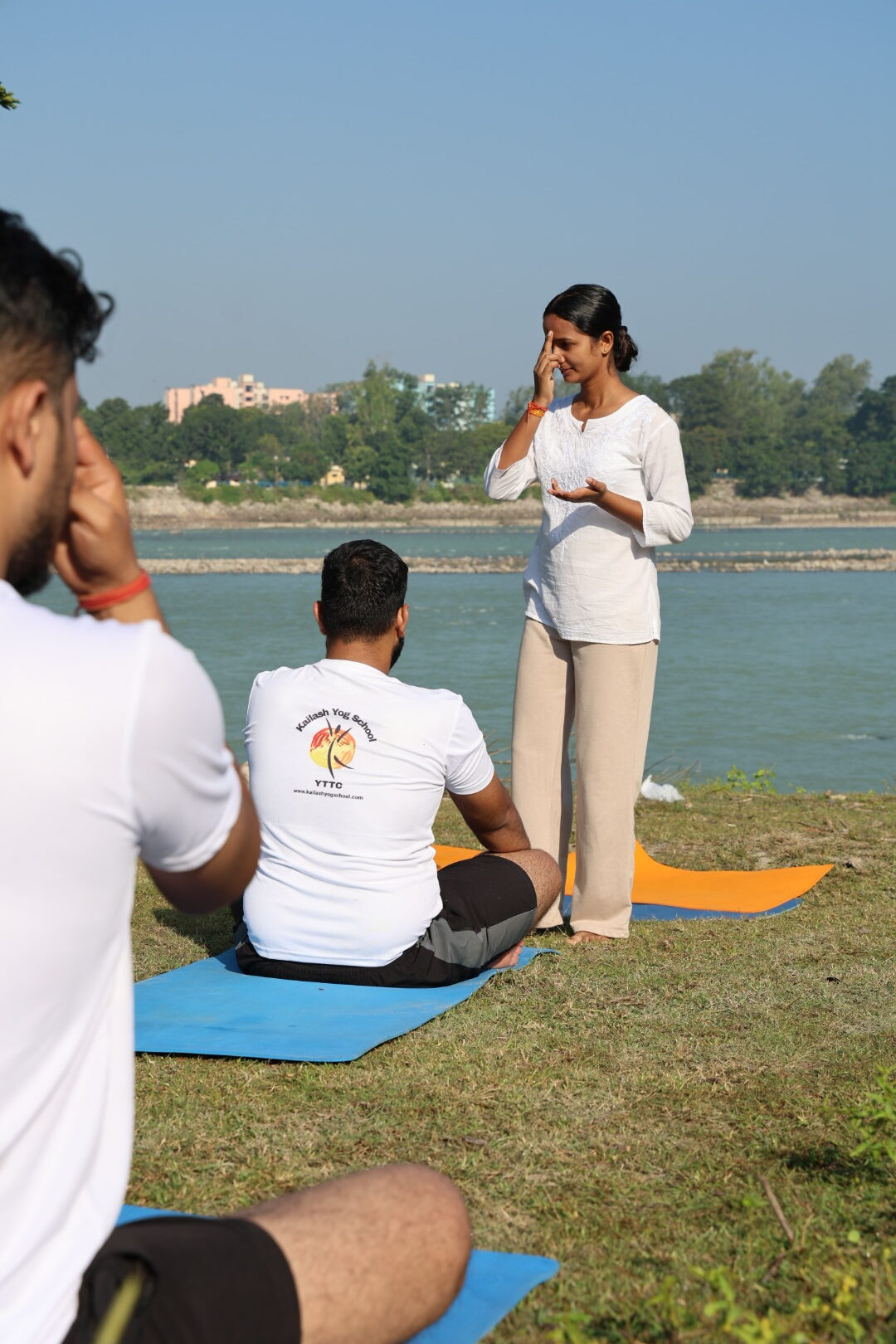
The 500 Hour Yoga Teacher Training at Kailasha Yoga Studio is a comprehensive 2-month immersive journey designed for serious practitioners who want to reach the highest level of yoga mastery. This advanced program integrates the 200-hour and 300-hour training into one continuous path, with a short reflective break in between for self-study and integration.
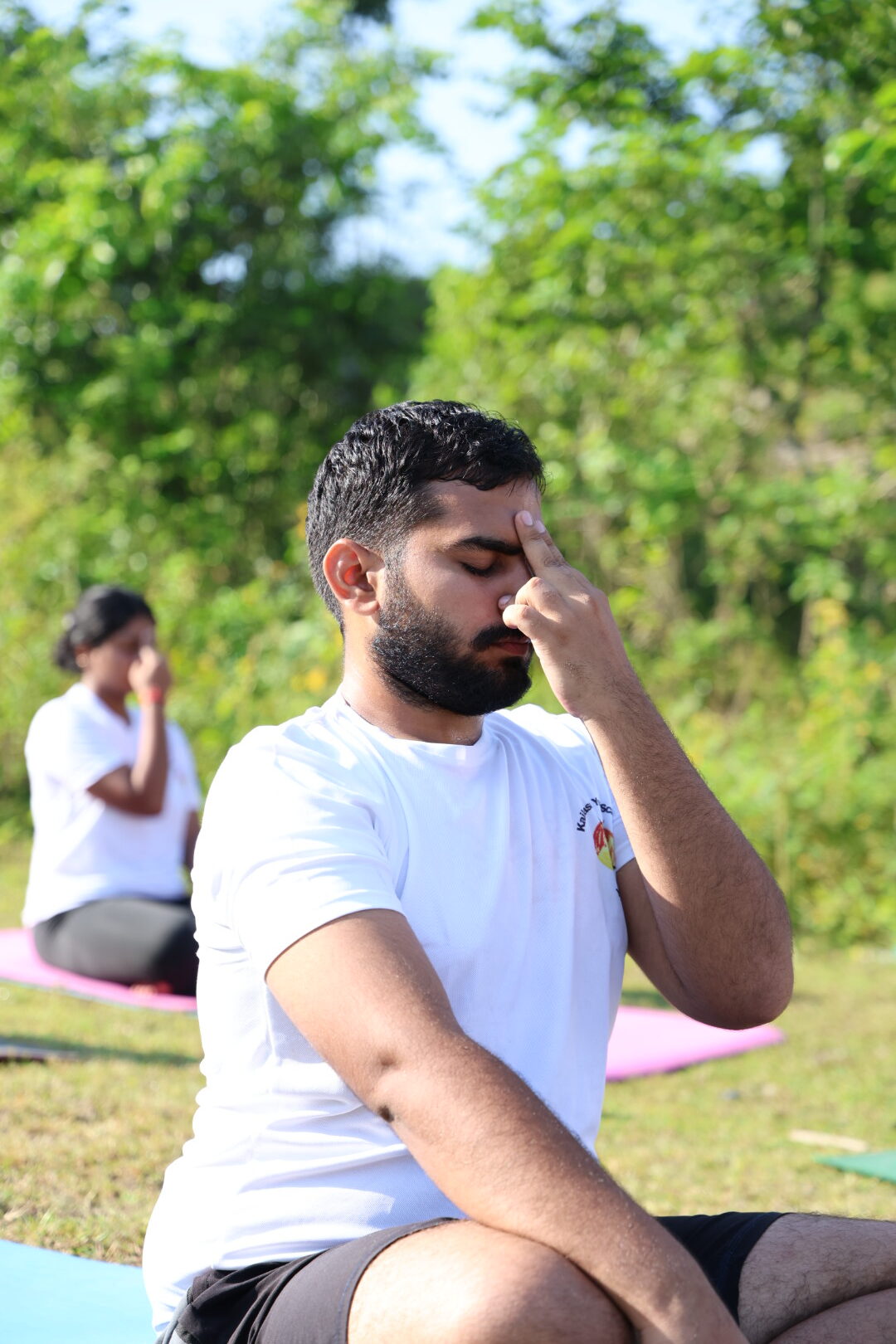
Rooted in traditional yogic methods, the training builds a holistic foundation across body, breath, and awareness. You will refine your asana practice through Hatha and Ashtanga Vinyasa Yoga, deepen your pranayama and meditation techniques, and expand your understanding of yoga philosophy, anatomy, yoga nidra, and cleansing practices.
This is not just a certification — it is a transformational experience that shapes you into an advanced yoga instructor with clarity, discipline, and spiritual depth.
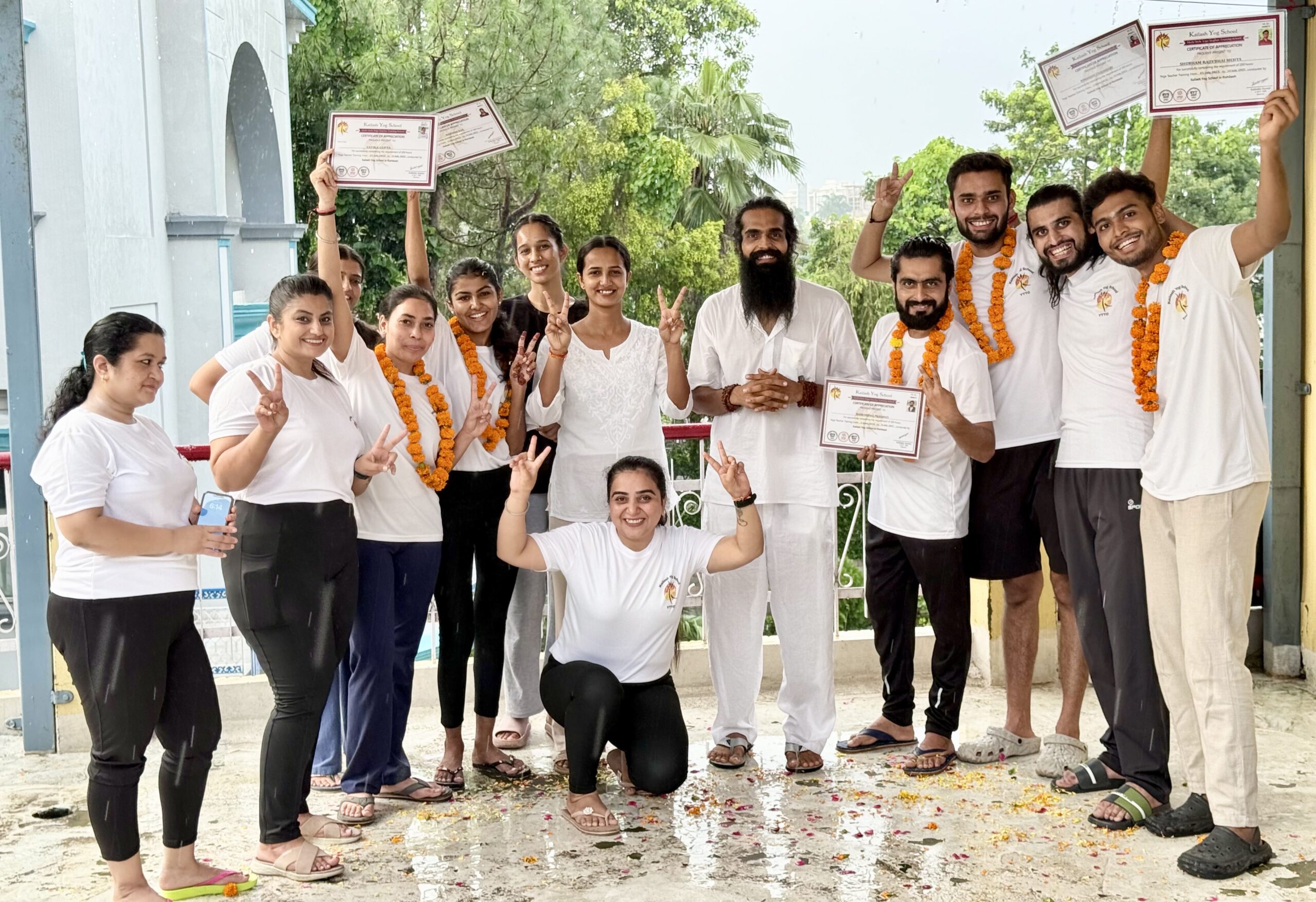
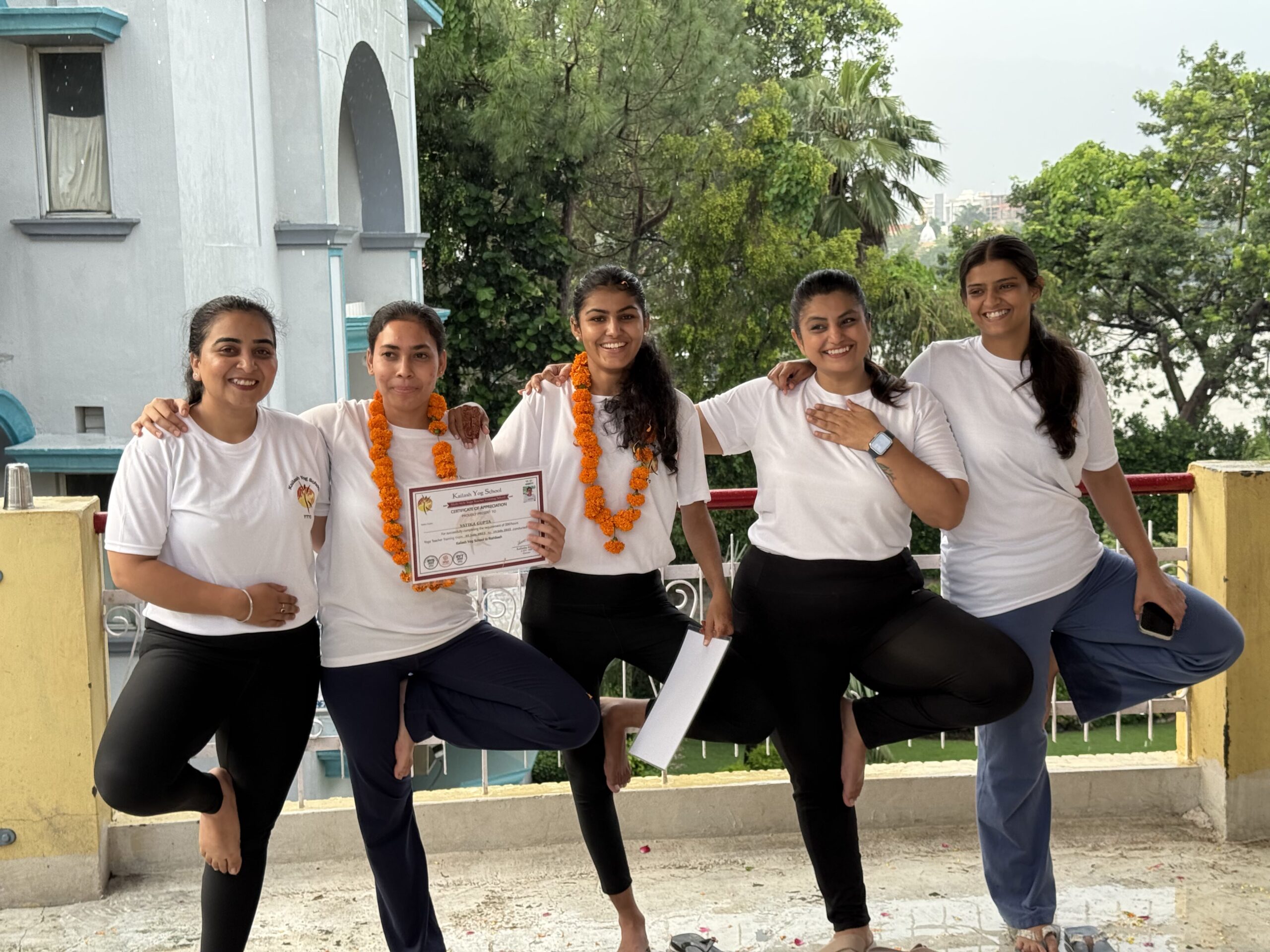
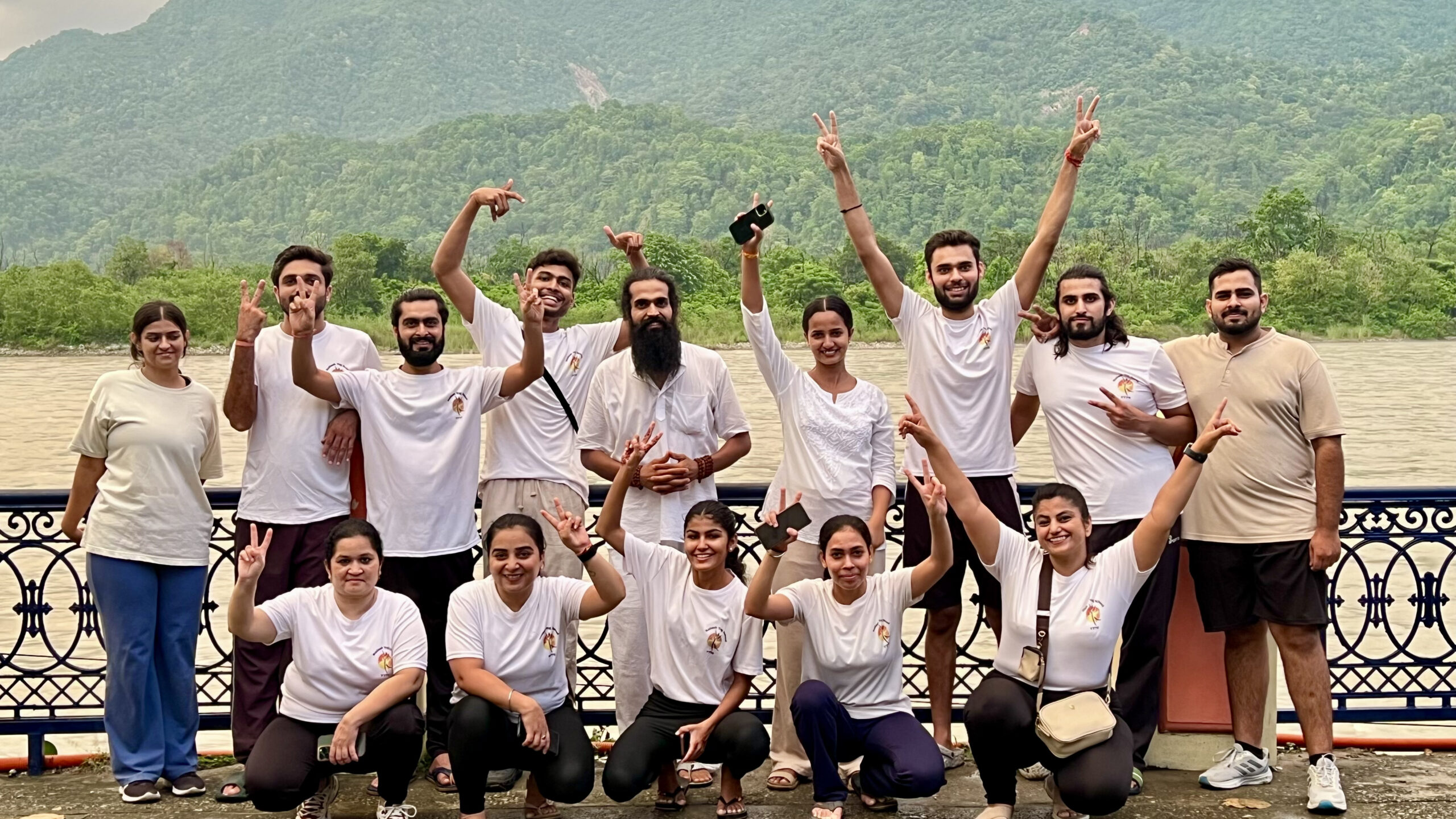
Hear from our students
What is included
The 500 Hour Yoga Teacher Training at Kailasha Yoga Studio is open to dedicated students who have completed a 200 Hour Yoga Teacher Training or possess foundational yoga knowledge.
Beginner-to-intermediate practitioners with strong commitment and discipline may also apply if they have prior yoga study experience. The course is physically intensive and academically detailed, so mental readiness and consistency are essential.
As classes are conducted in English, participants should have a basic understanding of the language to fully engage in discussions and assessments.
Techniques, Training & Practice
Traditional Hatha Yoga
- Historical contexts of hatha yoga
- Surya Namaskar (Sun Salutation)
- Chandra Namaskar (Moon Salutation)
- Pawan Muktasana series A, B, C
- Asanas (Postures)
- Standing Asanas
- Vajrasana Group of Asanas
- Backward Bending Asanas
- Forward Bending Asanas
- Spinal Twisting Asanas
- Balancing Asanas
- Inverted Asanas
- Relaxation Asanas
- Sequences
- Standing Sequence
- Kneeling Sequence
- Sitting Sequence
- Pronation Sequence
- Supination Sequence
- Inversion Sequence
- Twisting Sequence
- Hip-Opening Sequence
- Forward Bending Sequence
- Back Bending Sequence
Ashtanga Vinyasa Yoga
- Historical contexts of Ashtanga Vinyasa yoga including different asanas.
- Ashtanga Primary series Asanas with the asana alignment & adjustment, variations, contraindications, breathing techniques and their benefits
- Surya Namaskar A (Sun salutation A) - 9 Vinyasas
- Surya Namaskar B (Sun salutation B) - 17 Vinyasas
- Standing asana series
- Sitting asana series
- Closing sequesnce
- Understanding & practice of Vinyasa Flow
Alignment & Adjustment
- Aspects of Yoga Alignment
- Various Principles of Hands-Adjustments
- Practical lessons on Alignments & Adjustment of various Asanas
Pranayama / Breathing Practices
- Historical contexts of pranayama & subtle body.
- Understanding of pranayama effects on your body.
- Four Aspects of Pranayama
- The Pranic Body
- Five Major Pranas & Five Minor Pranas
- Nadis - Channels of Prana
- Ida Pingala and Sushumna
- Location of the Nadis
- Basic Understanding of Chakras
- Different Types of Pranayama Practices
- Abdominal (or diaphragmatic) breathing
- Thoracic Breathing
- Clavicular Breathing
- Yogic Breathing
- Nadi Shodhana Pranayama/ Alternate Nostril Breathing
- Sheetali Pranayama/ Cooling Breath
- Sheetkari Pranayama
- Bhramari Pranayama
- Ujjayi Breathing
- Bhastrika Pranayama
- Kapalbhati Pranayama/ Frontal brain cleansing breath
- Surya Bhedi Pranayama
- Chandra Bhedi Pranayama
Mudras & Bandhas
- Mudras (Hand Gestures)
- Five Element Theory
- Jnana Mudra (Psychic Gesture of Knowledge)
- Chin Mudra (Psychic Gesture of Consciousness
- Hridaya Mudra (Heart Gesture)
- Shoonya Mudra (Gesture of Emptiness)
- Apan Mudra (Digestion Gesture)
- Prana Mudra (Invocation of energy)
- Vayu Mudra (Gesture of Air)
- Prithvi Mudra (Gesture of Earth)
- Buddhi Mudra (Gesture of Intellect)
- Bandhas (Energy Lock)
- Jalandhara Bandha (throat lock)
- Moola Bandha (perineum contraction)
- Uddiyana Bandha (abdominal contraction)
- Maha Bandha (the great lock)
Shatkarma (Cleansing techniques)
- Jalaneti
- Rubber neti
- Netra Shudhi (Eye cleansing)
Meditation
- History and philosophy of meditation.
- What is Meditation
- Preparation for Meditation
- Asanas for Meditation
- Mudra & Bandhas for Meditation
- Different Types of Meditation Practices
- Mantra Meditation
- Guided Meditation
- Mindfulness Meditation
- Loving Kindness Meditation
- Inner Silence Meditation
- Progressive Muscle Relaxation Meditation
- Art Meditation
- Breath Awareness Meditation
- Emotional Awareness Meditation
- Raisin Meditation
- Trataka Meditation
- Chakra Meditation
- Yoga Nidra
Mantra Chanting
- Mantra Practice with their meaning
- Ganesh Mantra
- Mahāmṛtyunjaya Mantra
- Invocation to Guru
- Shanti (Peace) Mantras
- Pranayama Mantra
- Universal Peace Mantra
- Invocation to Patanjali
- Hare Krishna Maha Mantra
Anatomy & Physiology
Yoga Anatomy, Physiology & Biomechanics
- Anatomy & Physiology
- Levels of structural complexities
- Skeletal System
- Muscular System
- Nervous System
- Endocrine System
- Respiratory System
- Cardiovascular System
- Digestive System
- Biomechanics
- Force
- Joint Movements
- Safe Movements
Yoga Humanities
History, Yoga Philosophy & Ethics
- History of Yoga
- Origination & Meaning of Yoga
- Different type of Yoga
- Gyana Yoga, Karma Yoga, Bhakti Yoga, Hatha Yoga, Raja Yoga
- The Eight Limbs of Yoga
- Understanding of Patanjali Yoga Sutras
- Understanding Bhagavad Gita
Ayurveda
- Panchamahabhutas (The Five Element Theory)
- The Human Constitution - Vata, Pitta, Kapha
- The Three Gunas - Sattva, Rajas, Tamas
Professional Essentials
Teaching Methodology
- Sequencing
- Pace
- Environment & ambiance of a yoga class
- Yoga Cues
Teaching Practice
- Teaching/guiding a yoga class
- Command over teaching yoga
- Essential skills for teaching a yoga class
- Mentoring and feedback
Curriculum for 500 hour YTTC
Our curriculum follows Yoga Alliance USA guidelines while preserving the depth of traditional Indian yoga. You will explore advanced anatomy, subtle energy systems, sequencing for different levels, and hands-on correction techniques.
Special emphasis is placed on meditation, breath mastery, philosophical understanding, and practical classroom leadership. By the end of the course, you will not only know how to perform postures — you will understand how to adapt, modify, and teach them safely to diverse students worldwide.
Techniques, Training & Practice
Traditional Hatha Yoga
- Historical contexts of hatha yoga
- Surya Namaskar (Sun Salutation)
- Chandra Namaskar (Moon Salutation)
- Pawan Muktasana series A, B, C
- Asanas (Postures)
- Standing Asanas
- Vajrasana Group of Asanas
- Backward Bending Asanas
- Forward Bending Asanas
- Spinal Twisting Asanas
- Balancing Asanas
- Inverted Asanas
- Relaxation Asanas
- Sequences
- Standing Sequence
- Kneeling Sequence
- Sitting Sequence
- Pronation Sequence
- Supination Sequence
- Inversion Sequence
- Twisting Sequence
- Hip-Opening Sequence
- Forward Bending Sequence
- Back Bending Sequence
Ashtanga Vinyasa Yoga
- Historical contexts of Ashtanga Vinyasa yoga including different asanas.
- Ashtanga Primary series Asanas with the asana alignment & adjustment, variations, contraindications, breathing techniques and their benefits
- Surya Namaskar A (Sun salutation A) - 9 Vinyasas
- Surya Namaskar B (Sun salutation B) - 17 Vinyasas
- Standing asana series
- Sitting asana series
- Closing sequesnce
- Understanding & practice of Vinyasa Flow
Alignment & Adjustment
- Aspects of Yoga Alignment
- Various Principles of Hands-Adjustments
- Practical lessons on Alignments & Adjustment of various Asanas
Pranayama / Breathing Practices
- Historical contexts of pranayama & subtle body.
- Understanding of pranayama effects on your body.
- Four Aspects of Pranayama
- The Pranic Body
- Five Major Pranas & Five Minor Pranas
- Nadis - Channels of Prana
- Ida Pingala and Sushumna
- Location of the Nadis
- Basic Understanding of Chakras
- Different Types of Pranayama Practices
- Abdominal (or diaphragmatic) breathing
- Thoracic Breathing
- Clavicular Breathing
- Yogic Breathing
- Nadi Shodhana Pranayama/ Alternate Nostril Breathing
- Sheetali Pranayama/ Cooling Breath
- Sheetkari Pranayama
- Bhramari Pranayama
- Ujjayi Breathing
- Bhastrika Pranayama
- Kapalbhati Pranayama/ Frontal brain cleansing breath
- Surya Bhedi Pranayama
- Chandra Bhedi Pranayama
Mudras & Bandhas
- Mudras (Hand Gestures)
- Five Element Theory
- Jnana Mudra (Psychic Gesture of Knowledge)
- Chin Mudra (Psychic Gesture of Consciousness
- Hridaya Mudra (Heart Gesture)
- Shoonya Mudra (Gesture of Emptiness)
- Apan Mudra (Digestion Gesture)
- Prana Mudra (Invocation of energy)
- Vayu Mudra (Gesture of Air)
- Prithvi Mudra (Gesture of Earth)
- Buddhi Mudra (Gesture of Intellect)
- Bandhas (Energy Lock)
- Jalandhara Bandha (throat lock)
- Moola Bandha (perineum contraction)
- Uddiyana Bandha (abdominal contraction)
- Maha Bandha (the great lock)
Shatkarma (Cleansing techniques)
- Jalaneti
- Rubber neti
- Netra Shudhi (Eye cleansing)
Meditation
- History and philosophy of meditation.
- What is Meditation
- Preparation for Meditation
- Asanas for Meditation
- Mudra & Bandhas for Meditation
- Different Types of Meditation Practices
- Mantra Meditation
- Guided Meditation
- Mindfulness Meditation
- Loving Kindness Meditation
- Inner Silence Meditation
- Progressive Muscle Relaxation Meditation
- Art Meditation
- Breath Awareness Meditation
- Emotional Awareness Meditation
- Raisin Meditation
- Trataka Meditation
- Chakra Meditation
- Yoga Nidra
Mantra Chanting
- Mantra Practice with their meaning
- Ganesh Mantra
- Mahāmṛtyunjaya Mantra
- Invocation to Guru
- Shanti (Peace) Mantras
- Pranayama Mantra
- Universal Peace Mantra
- Invocation to Patanjali
- Hare Krishna Maha Mantra
Anatomy & Physiology
Yoga Anatomy, Physiology & Biomechanics
- Anatomy & Physiology
- Levels of structural complexities
- Skeletal System
- Muscular System
- Nervous System
- Endocrine System
- Respiratory System
- Cardiovascular System
- Digestive System
- Biomechanics
- Force
- Joint Movements
- Safe Movements
Yoga Humanities
History, Yoga Philosophy & Ethics
- History of Yoga
- Origination & Meaning of Yoga
- Different type of Yoga
- Gyana Yoga, Karma Yoga, Bhakti Yoga, Hatha Yoga, Raja Yoga
- The Eight Limbs of Yoga
- Understanding of Patanjali Yoga Sutras
- Understanding Bhagavad Gita
Ayurveda
- Panchamahabhutas (The Five Element Theory)
- The Human Constitution - Vata, Pitta, Kapha
- The Three Gunas - Sattva, Rajas, Tamas
Professional Essentials
Teaching Methodology
- Sequencing
- Pace
- Environment & ambiance of a yoga class
- Yoga Cues
Teaching Practice
- Teaching/guiding a yoga class
- Command over teaching yoga
- Essential skills for teaching a yoga class
- Mentoring and feedback
Daily Schedule
| S.No | Time | Subject | Teacher |
|---|---|---|---|
| 1 | 7:00 – 8:20 AM | Ashtanga / Palm Balancing | Kailash Bishnoi Payal Rawat |
| 2 | 8:30 – 9:00 AM | Pranayam / Shatkaram | Varsha Arya |
| 3 | 9:00 – 10:00 AM | Breakfast | - |
| 4 | 10:00 – 11:00 AM |
THEORY Anatomy / Alignment & Adjustment / Ayurveda / PHI |
Yusuf Khan Varsha Arya |
| 5 | 12:00 – 1:00 PM | Lunch | - |
| 6 | 1:00 – 4:00 PM | Rest | - |
| 7 | 4:00 – 5:30 PM | Hatha Yoga | Kailash Bishnoi |
| 8 | 5:40 – 6:10 PM | Meditation / Evening Walk | - |
| 9 | 6:30 – 8:30 PM | Dinner | - |
| 10 | 9:00 – 9:45 PM | Theory Test | Both |
| 11 | 10:00 PM | Lights Off & Gate Closed | - |
Certification & Global Recognition
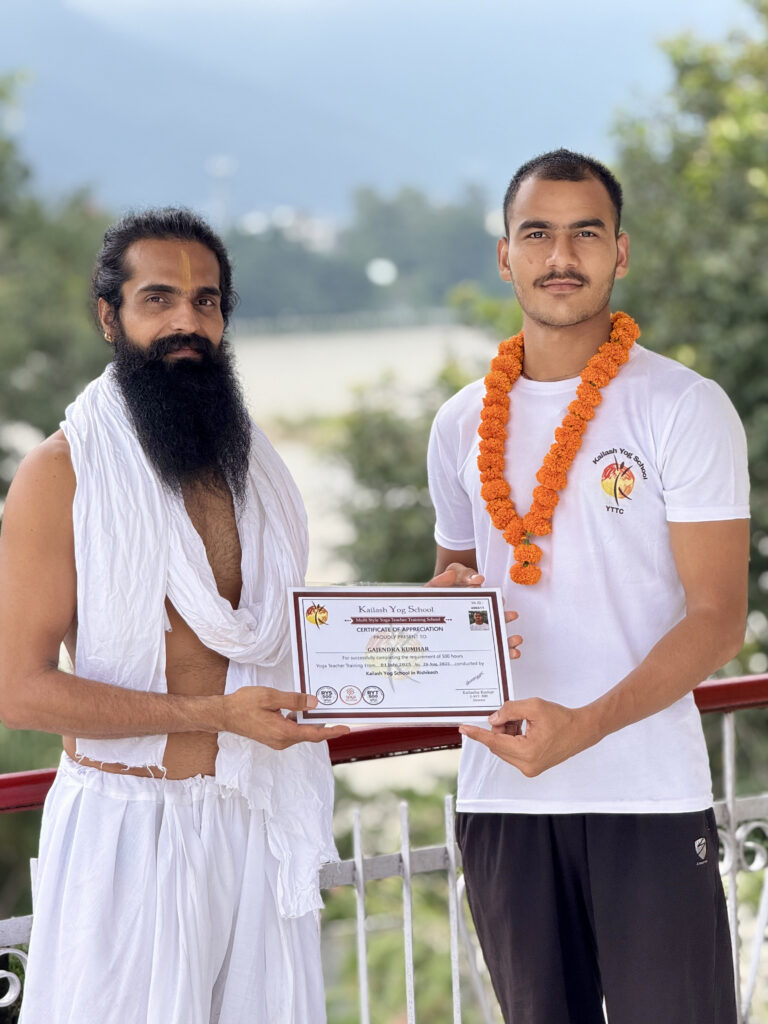
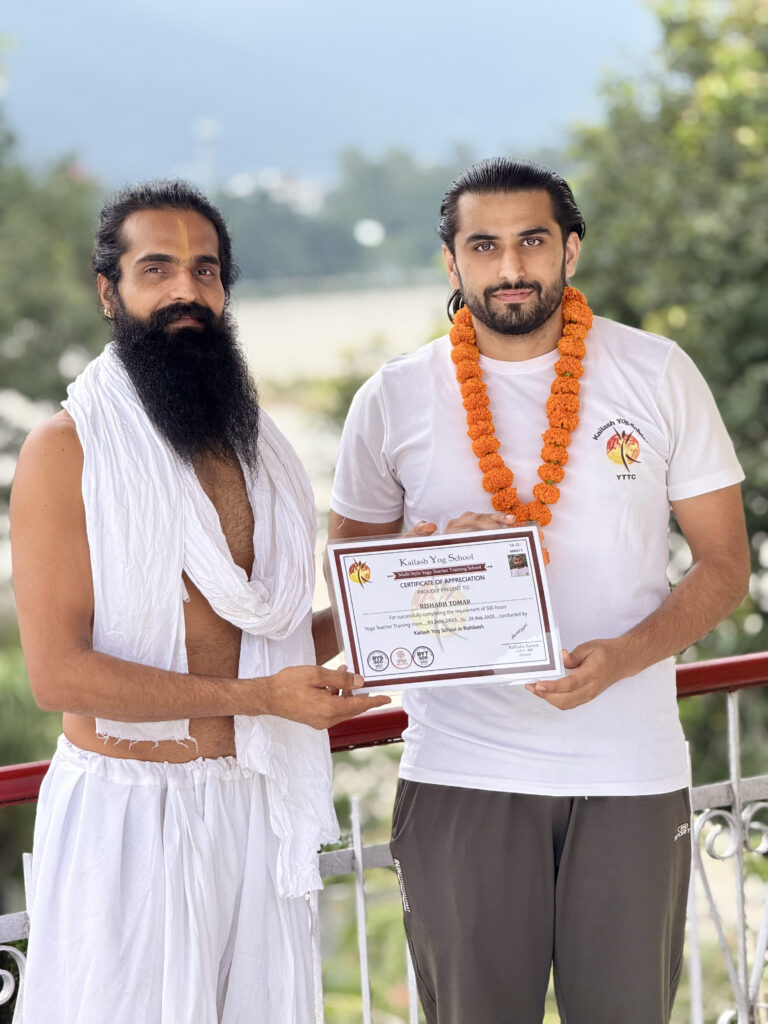
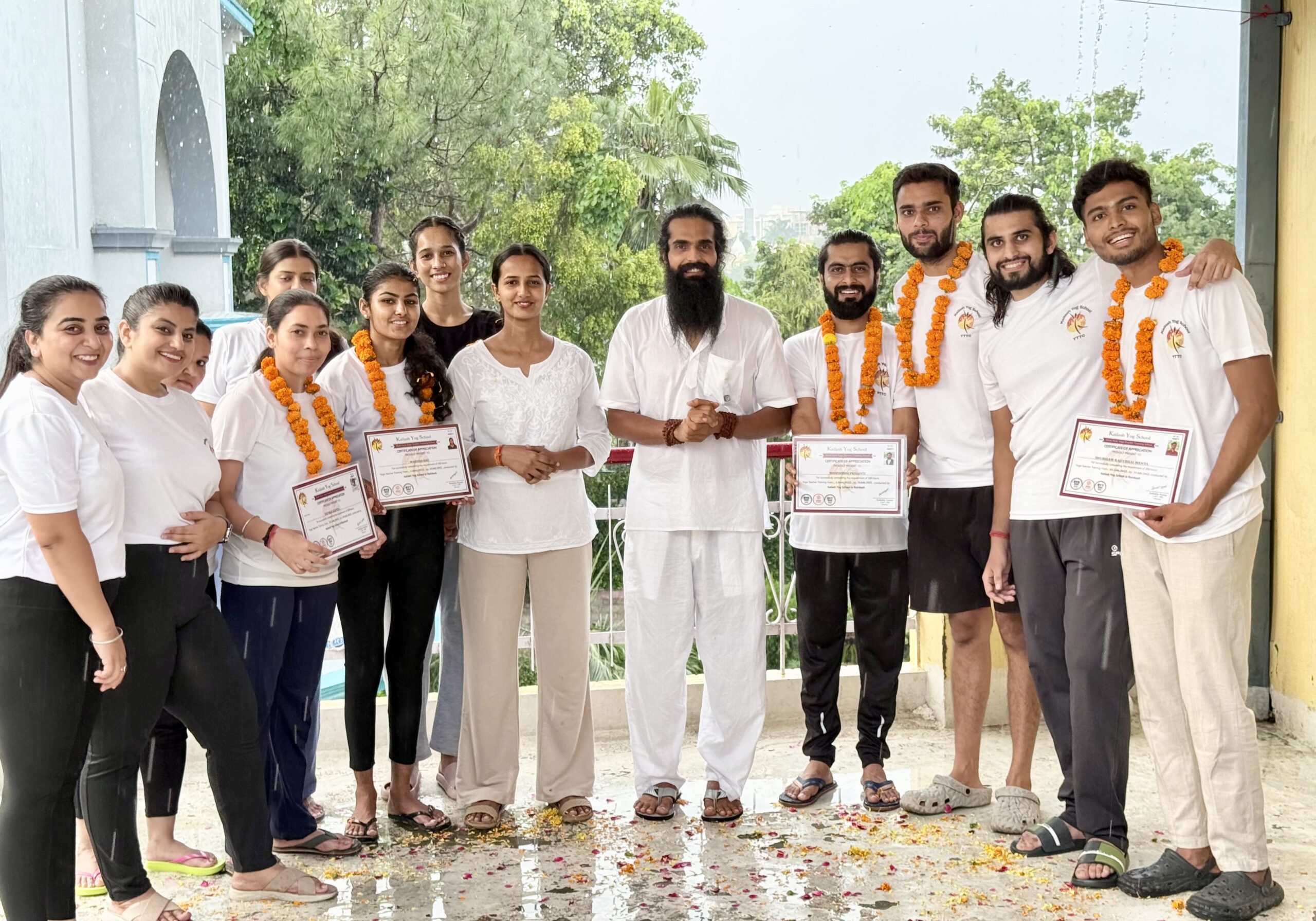
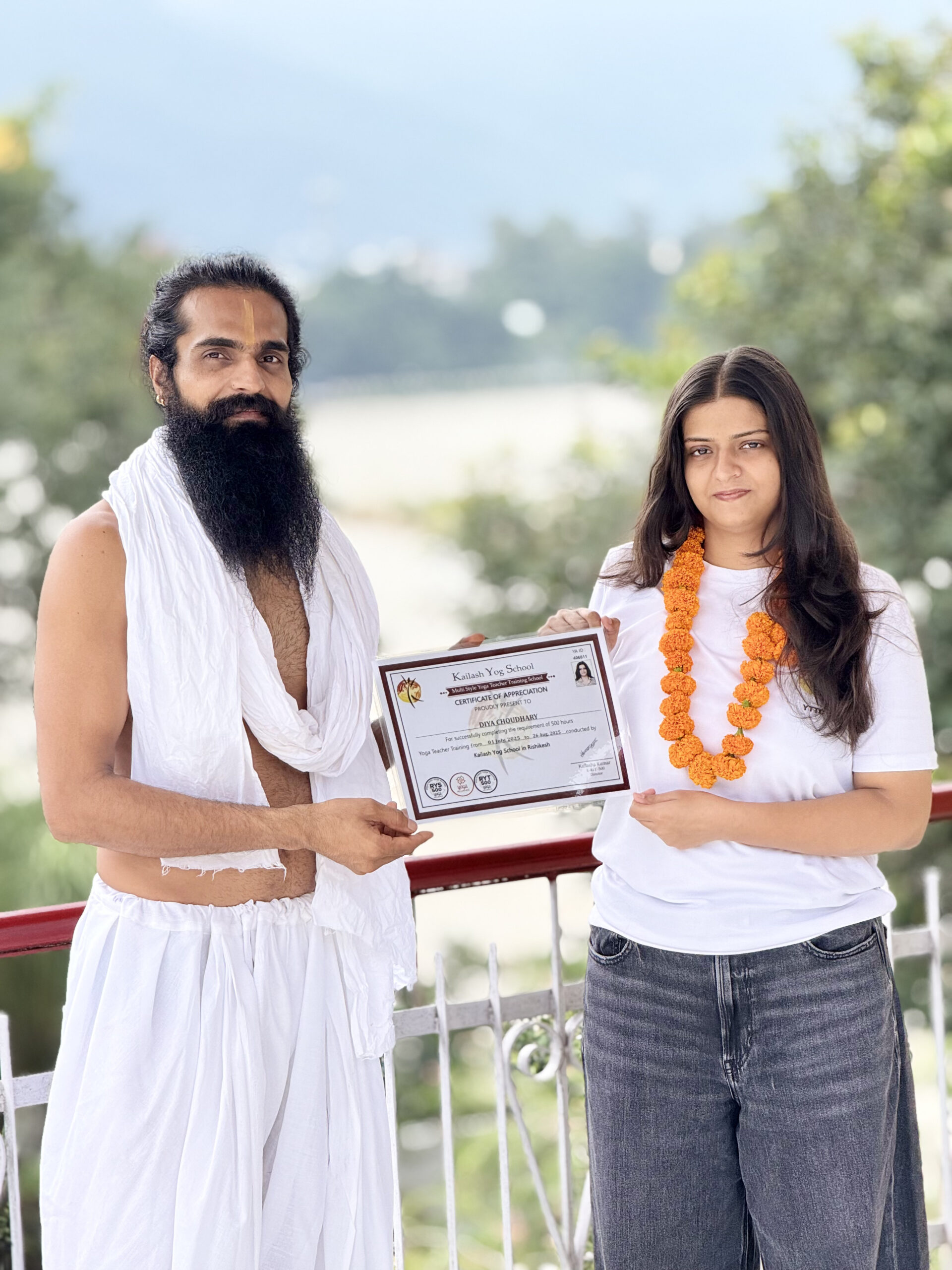
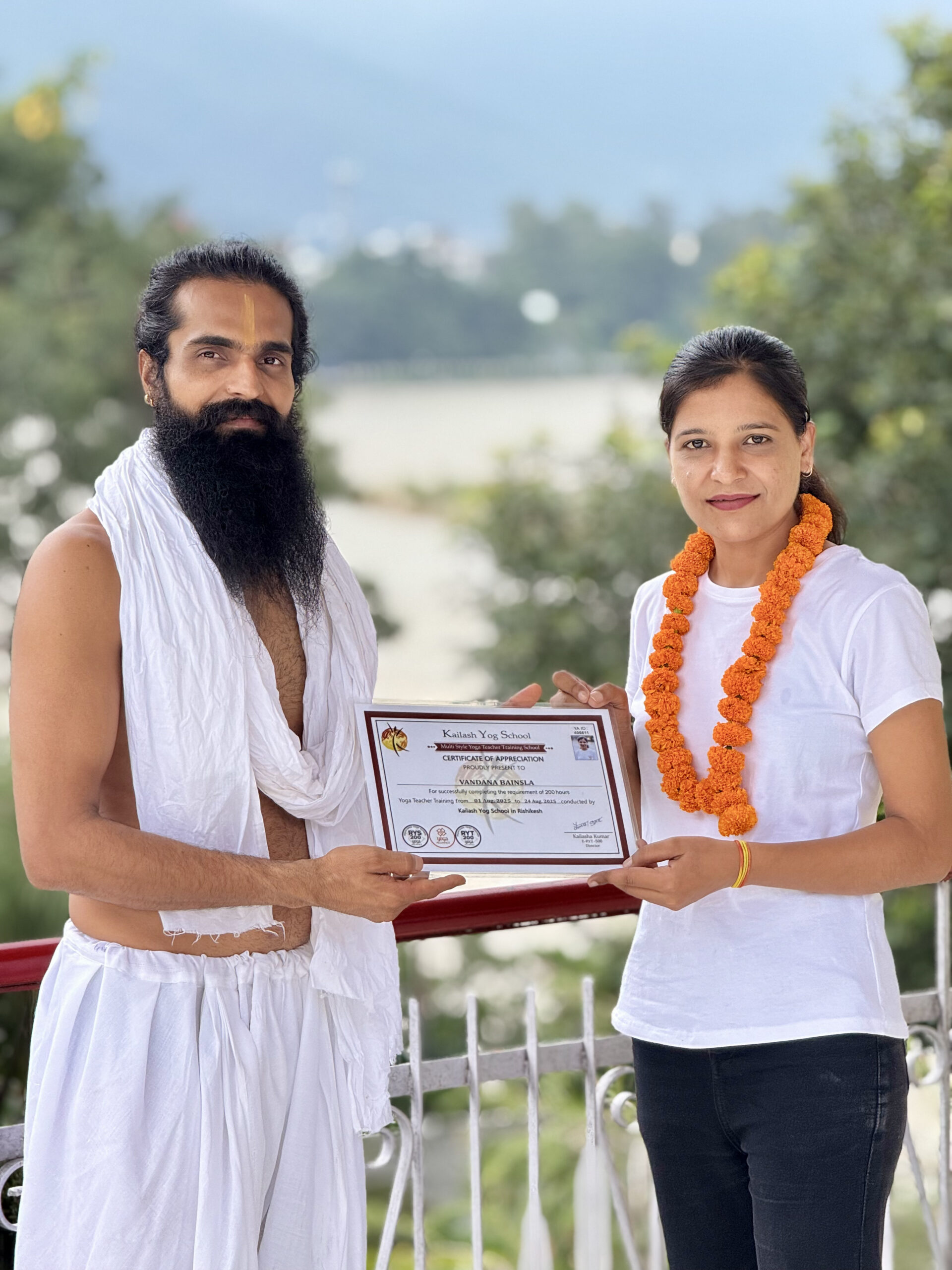
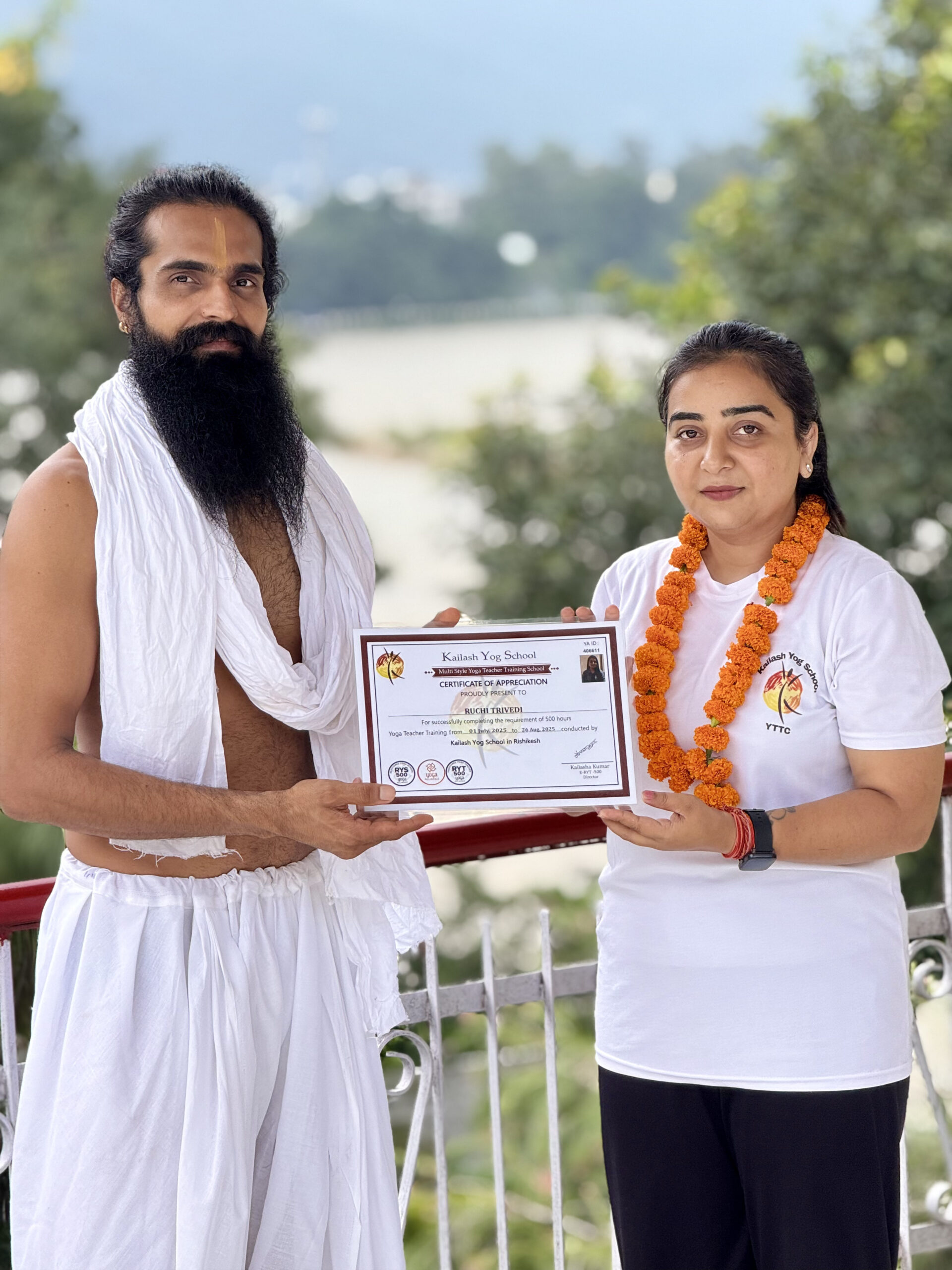
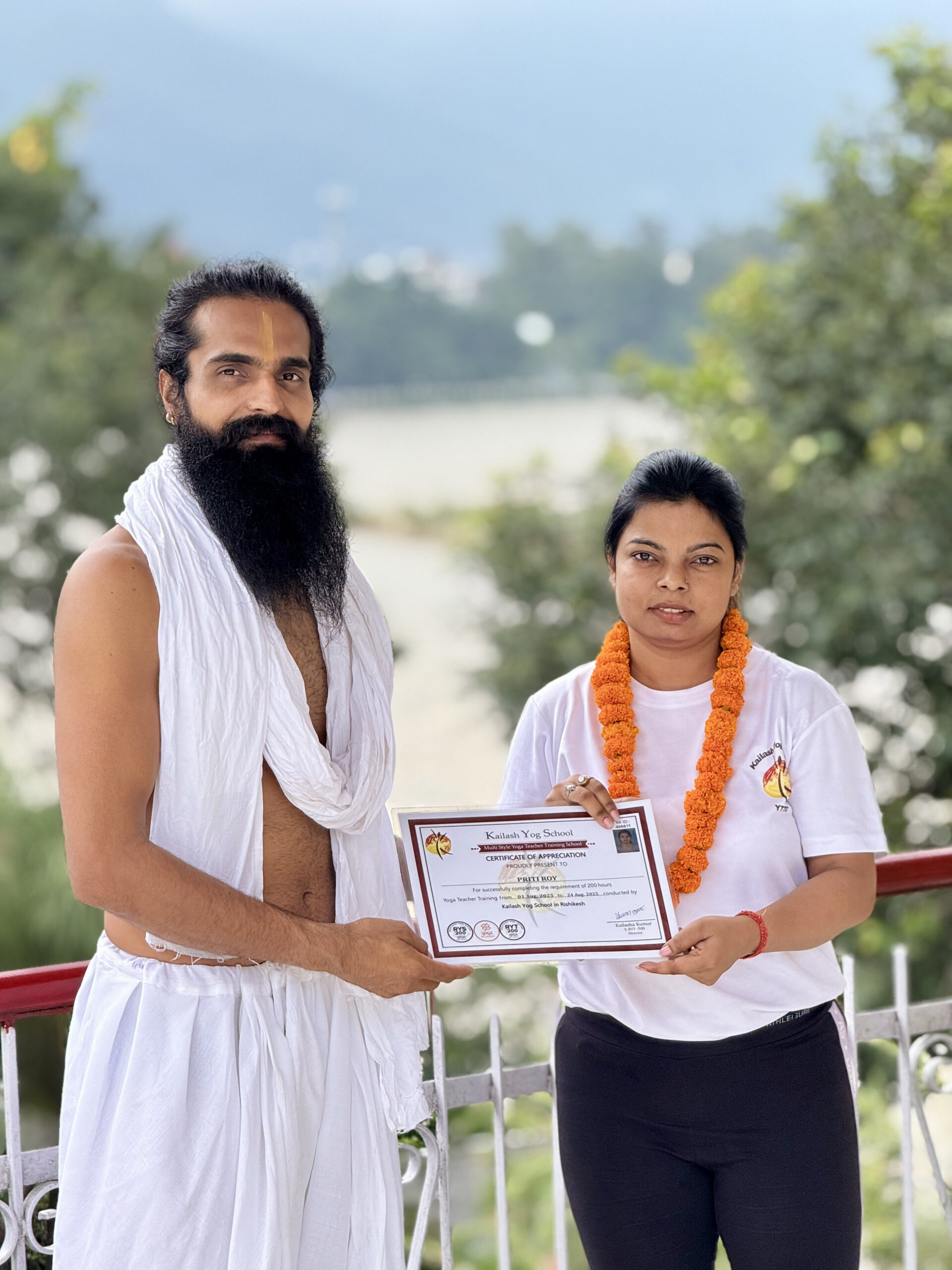
At Kailasha Yoga Studio, certification is not based on a single exam — it is earned through consistent participation, practical teaching experience, and demonstrated understanding throughout the 500 Hour Yoga Teacher Training.
Students are continuously guided and observed during asana practice, sequencing, alignment work, pranayama, meditation, and teaching sessions. Successful completion of all training hours, sincere involvement, and active practice qualify you for the Yoga Alliance–recognized RYT 500 certification.
This globally recognized certification allows you to register with Yoga Alliance and teach internationally. More importantly, it reflects your dedication, discipline, and readiness to lead students with confidence and authenticity.
Accommodation & Food
At Kailasha Yoga Studio, we understand that true transformation requires the right environment. Your 500 Hour Yoga Teacher Training is not just about what happens in the classroom — it’s about how you live, rest, and nourish yourself throughout the journey.
Comfortable & Hygienic Stay in Rishikesh
We provide clean, well-maintained, and hygienic accommodation designed to support your physical rest and mental peace. Located in a calm and serene area of Rishikesh, our space allows you to disconnect from noise and distractions, so you can fully focus on your practice. Each room is thoughtfully arranged to ensure comfort, safety, and a peaceful atmosphere ideal for study, reflection, and rejuvenation.
Pure Sattvik Food for Yogic Living
Nutrition plays a vital role in yoga practice. At Kailasha Yoga Studio, we serve fresh, balanced, and hygienically prepared sattvik meals that nourish the body without creating heaviness. Our meals are vegetarian, wholesome, and designed to support digestion, energy levels, and clarity of mind — helping you stay light, focused, and energized throughout your training.
We believe that a clean space and pure food create a clear mind. By combining disciplined practice with proper rest and mindful nutrition, we ensure that your stay with us supports not only your certification — but your complete well-being.
Nourishing Meals for a Yogic Lifestyle
At Kailasha Yoga Studio, we believe that the quality of your food directly influences the quality of your practice. During your Yoga Teacher Training in Rishikesh, you will be served freshly prepared, hygienic, sattvik vegetarian meals designed to keep your body light, energized, and focused.
Our meals are made using wholesome ingredients such as seasonal vegetables, lentils, whole grains, fresh fruits, and mild healing spices. We consciously avoid overly processed, oily, or heavy foods so that your digestion remains balanced and your mind stays calm and clear throughout the training.
Each meal is prepared with care and cleanliness, supporting your physical strength, mental clarity, and spiritual growth. Whether you follow a vegan, gluten-free, or specific dietary preference, our team ensures your nutritional needs are thoughtfully accommodated.
At Kailasha Yoga Studio, food is not just nourishment — it is part of your yogic discipline and transformation.
Total Course Fee (Including Room & Food)
200 Hrs YTTC
Duration – 24 Days
Shared Room – 26000₹
Private Room – 50000₹
500 Hrs YTTC
Duration – 56 Days
Shared Room – 60000₹
Private Room – 115000₹
Pre natal and Posthetal Yoga
Duration – 7 Days
Shared Room – 16000₹
Private Room – 25000₹
Why Kailasha?
Choosing the right place for your 500 Hour Yoga Teacher Training in Rishikesh is an important decision. At Kailasha Yoga Studio, located in Ganga Vihar just in front of the sacred Ganga Ghat, you are immersed in the true spiritual atmosphere of Rishikesh. The presence of the Ganga creates a naturally peaceful and uplifting environment that supports deep practice and inner clarity.
What Makes Kailasha Yoga Studio Different?
Authentic Location Near the Ganga:
Being steps away from the holy Ganga allows you to experience sunrise meditations, peaceful walks, and a deeper connection to traditional yogic living.
Focused & Disciplined Learning Environment:
Our space is designed for serious practice. Distraction-free classrooms, structured schedules, and dedicated guidance help you stay committed throughout your training.
Sattvik Meals & Hygienic Stay:
We provide clean accommodation and freshly prepared sattvik vegetarian meals to support your energy, digestion, and overall well-being during the course.
Personal Attention & Mentorship:
At Kailasha Yoga Studio, you are not just a number in a batch. We ensure individual guidance so that every student builds confidence in asana alignment, pranayama, meditation, and teaching methodology.
Balance of Tradition & Practical Teaching:
Our courses combine classical Hatha Yoga principles with modern anatomical understanding, helping you teach safely and professionally anywhere in the world.
Google Rating
It was amazing experience with kailasha sir. Everyday new learning, no time boundation, no practice restrictions. You can do yoga practice at studio as much as you want. Sir is very supportive to correct the postures and keep you motivated to do yoga everyday. Thanks for all your support.
I just wanted to say thank you for helping me to make that positive change to my life. Just wanted to thank you again for the yoga class. It was really nice to see how you genuinely enjoy teaching and the pleasure you get from sharing your knowledge with others - your passion for yoga is very infectious.
Guide to Travelling to India
Visa
You would need a tourist Visa or an e-Visa to do the yoga course in India. You can get the visa for a duration ranging from 30 to 180 days depending on the visa you are applying for. Apply for a Visa
How to reach school
- Firstly, you have to book a flight to New Delhi Aiport - Indira Gandhi International Airport (DEL). You can book a domestic flight to Dehradun Airport (DED) from Delhi. From Dehradun Aiport, we offer a free taxi pickup service for our students.
- We do offer pickup from New Delhi - Indira Gandhi International Airport with an additional charge of 80 USD
Weather
- Weather conditions are as follows in Rishikesh, India
- October to February: Winter Season with December and January being the coldest months
- March to June: Summer season with May and June being the hottest months
- July to September: Rainy season
What to bring
You should bring your clothes and daily essentials. For yoga classes, it advised to bring yoga clothes. Apart from this, all other things required for the course will be provided by us.
Nearby stores
Our yoga school in Rishikesh is located in a peaceful area near the main city. The daily needs, clothes, cafes, restaurants, and currency exchange centers are all available at a walking distance of 10 minutes.
Currency exchange
Currency exchange centers are available at the Airport or on the streets nearby our school.
Plugs in India
In India, we only use C, D, and M types of plugs.
Local sim card
You can buy an Indian sim from the market or airport with the help of your Passport and ID.
What is the duration of the 500 hour yoga teacher training?
The course runs for approximately 2 months (around 53 days), integrating both 200-hour and 300-hour training modules.
What is the difference between 200-hour and 500-hour training?
The 200-hour course builds foundational knowledge, while the 500-hour training advances alignment, teaching refinement, philosophy depth, and professional mastery.
Is 500-hour yoga teacher training worth it?
Yes. It enhances your credibility, teaching confidence, and global opportunities while deepening your spiritual and anatomical understanding.
What are the benefits of 500-hour yoga teacher training?
You gain advanced teaching skills, improved sequencing ability, deeper pranayama and meditation mastery, and international recognition through RYT 500 certification.
What kind of certification will I receive?
You will receive a Yoga Alliance–recognized RYT 500 certification upon successful completion.
Is there an age limit to join the 500-hour YTTC?
Applicants should be at least 18 years old and physically and mentally prepared for intensive training.
How many students are in each batch?
We maintain small batch sizes to ensure personalized attention and effective learning.
Is this training affiliated with Yoga Alliance?
Yes, the course follows Yoga Alliance USA guidelines and qualifies you for international registration.
What topics are covered in the 500-hour program?
The course covers Hatha & Ashtanga asana practice, advanced alignment, pranayama, meditation, yoga nidra, anatomy, philosophy, cleansing techniques, and teaching methodology.