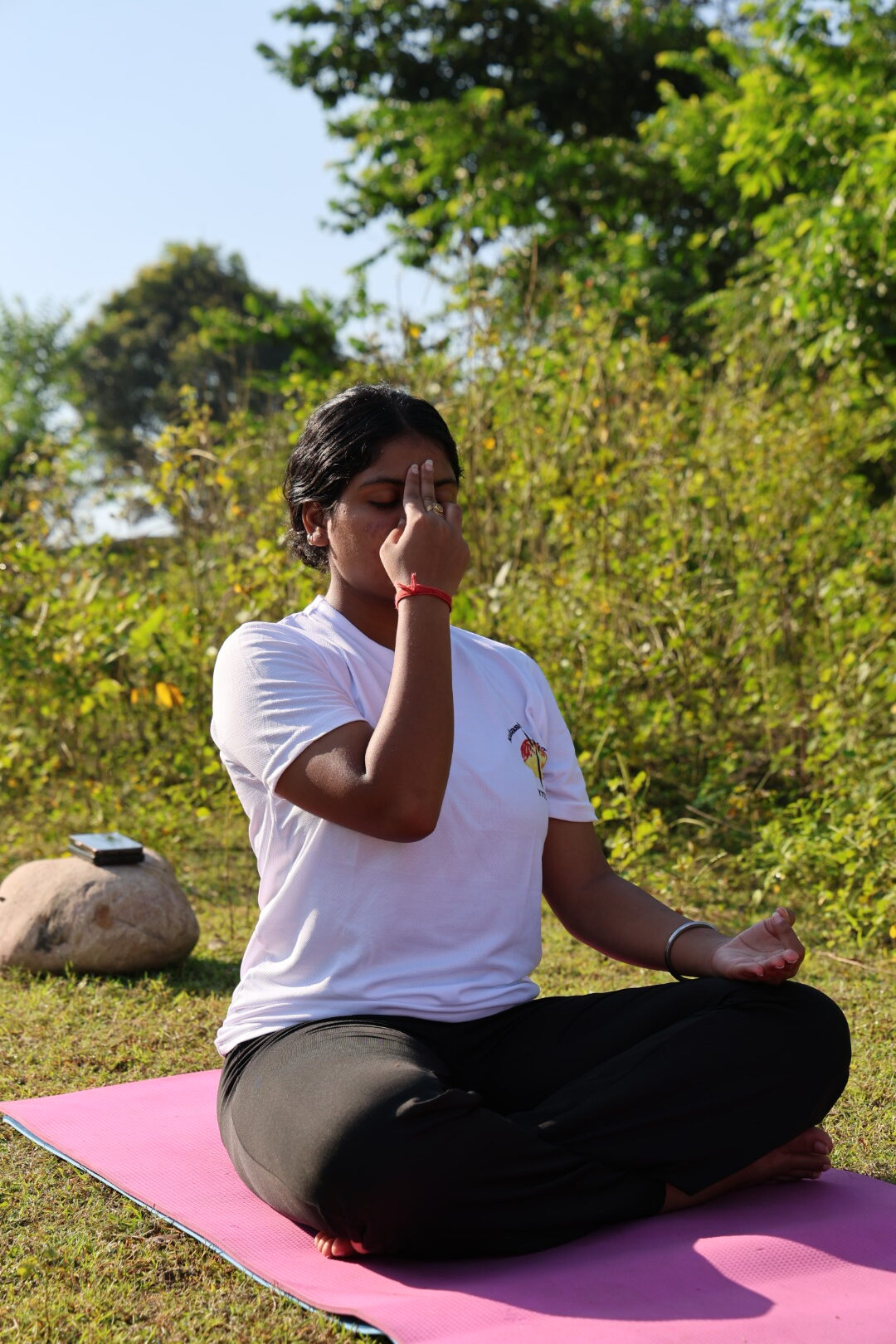
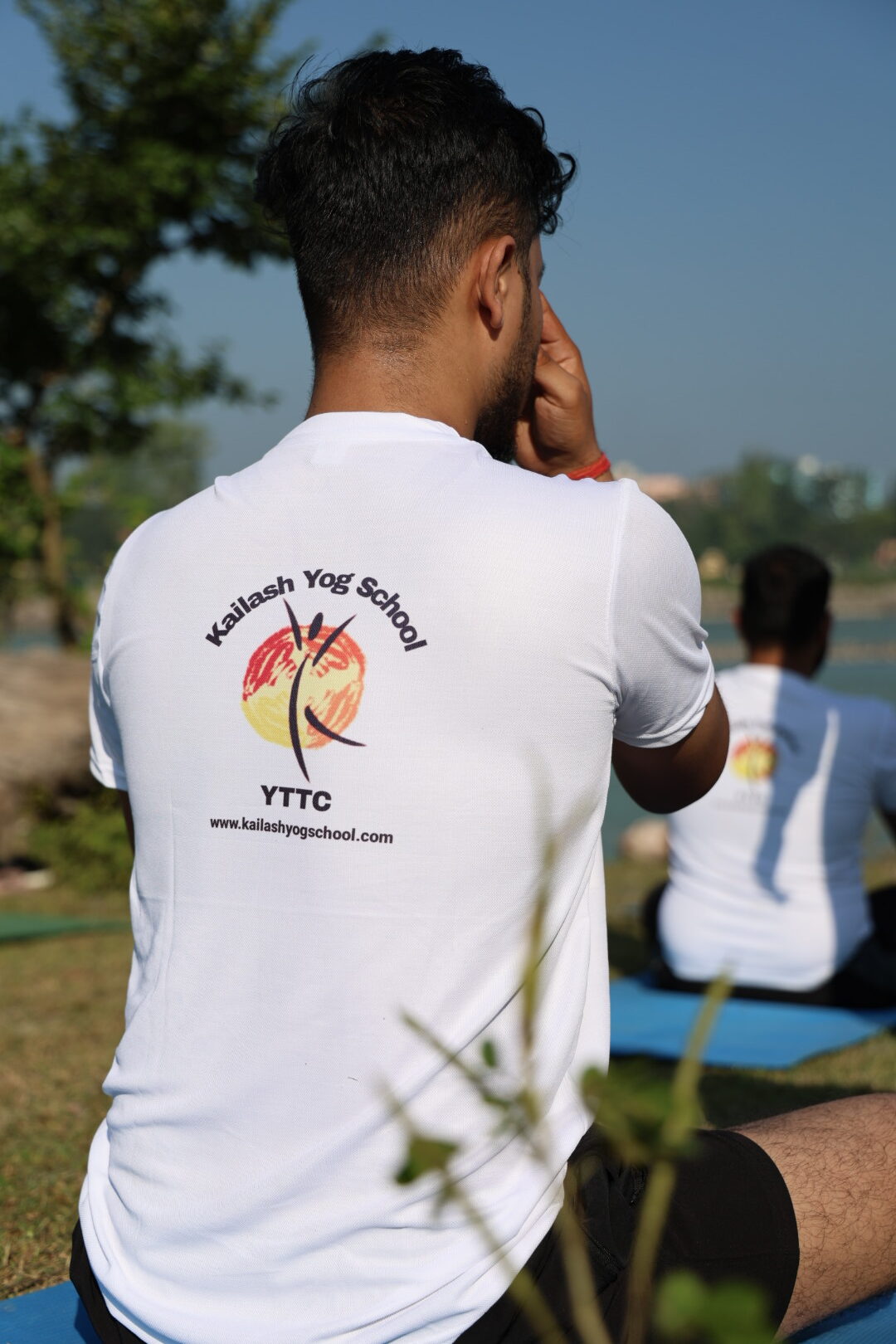
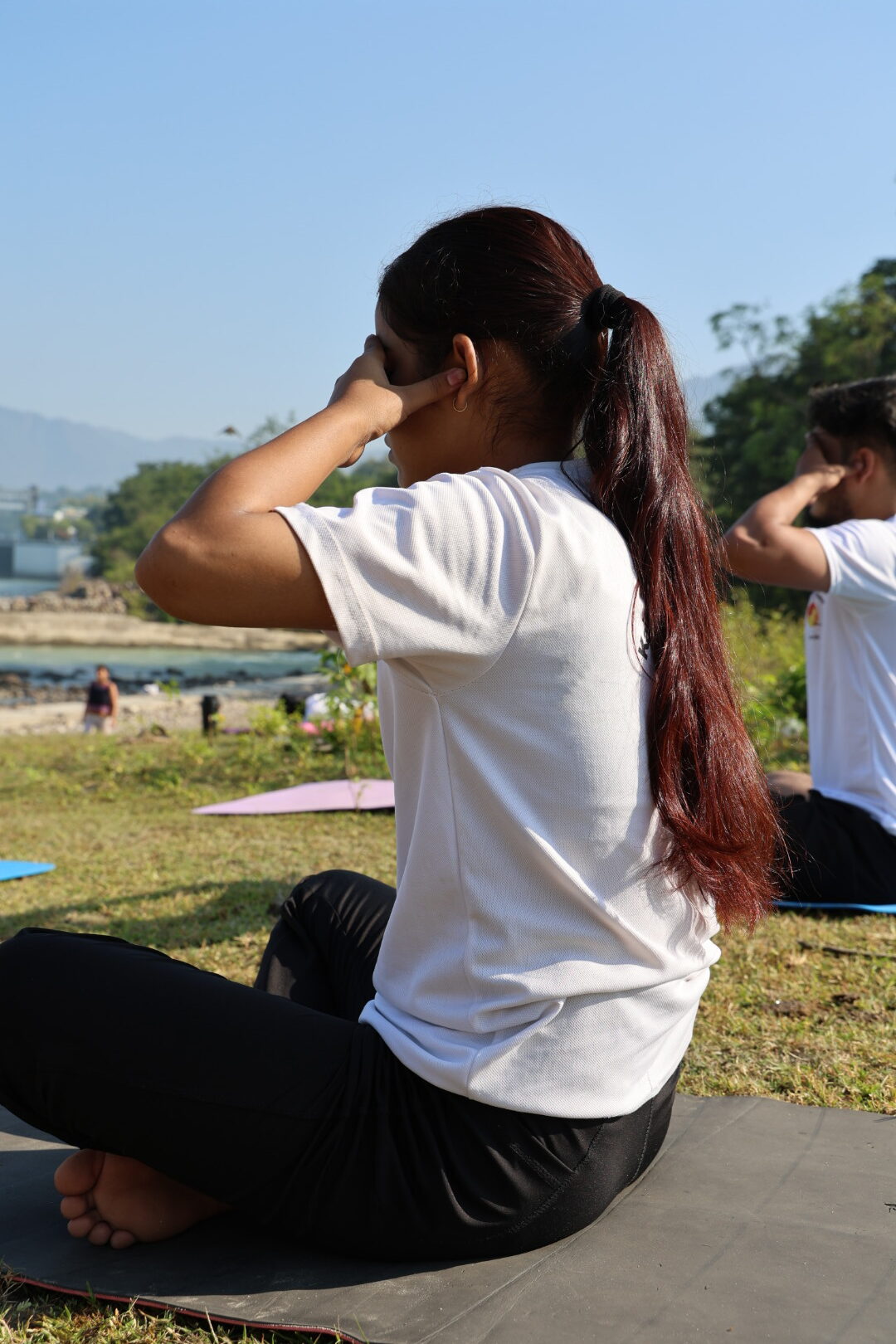
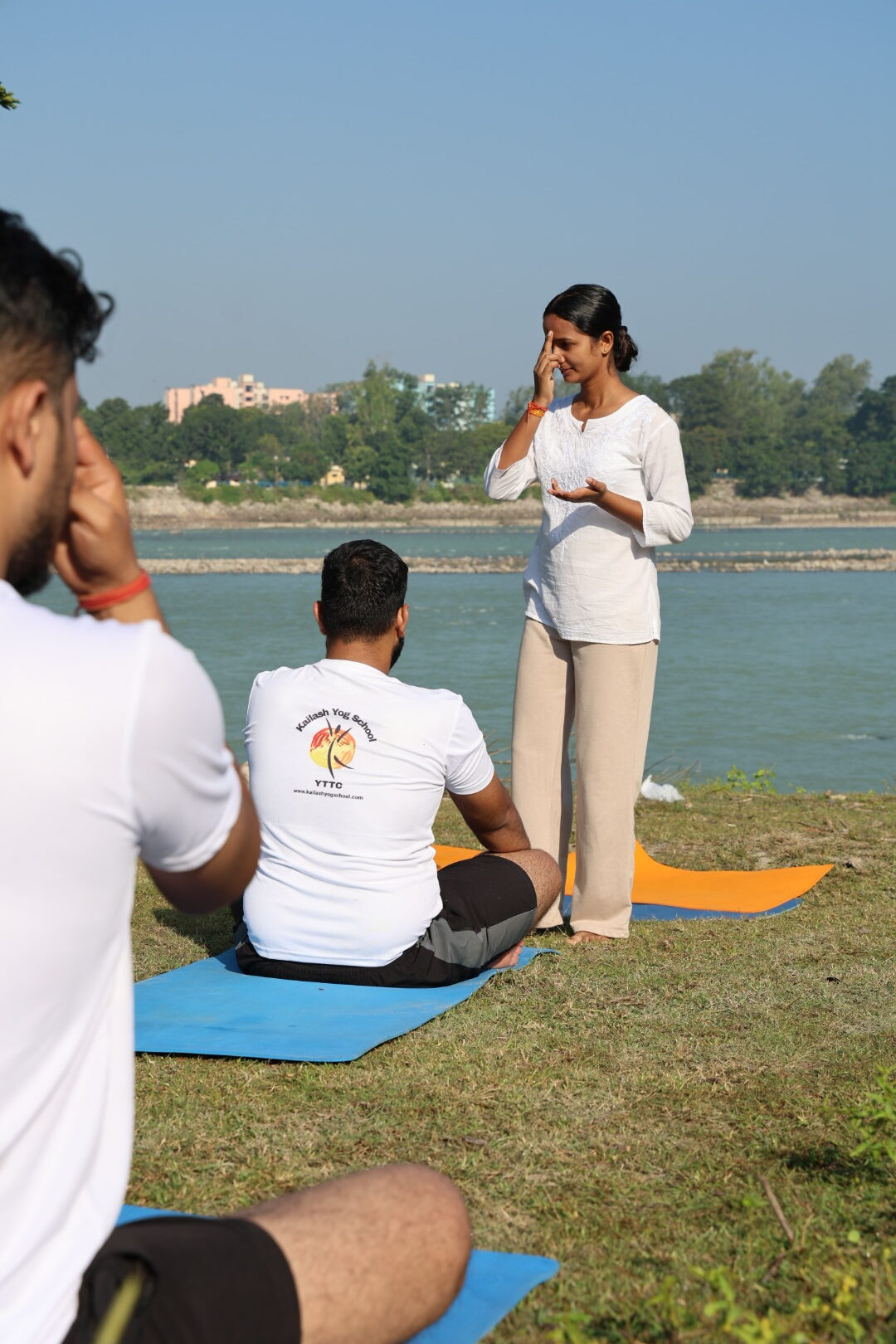
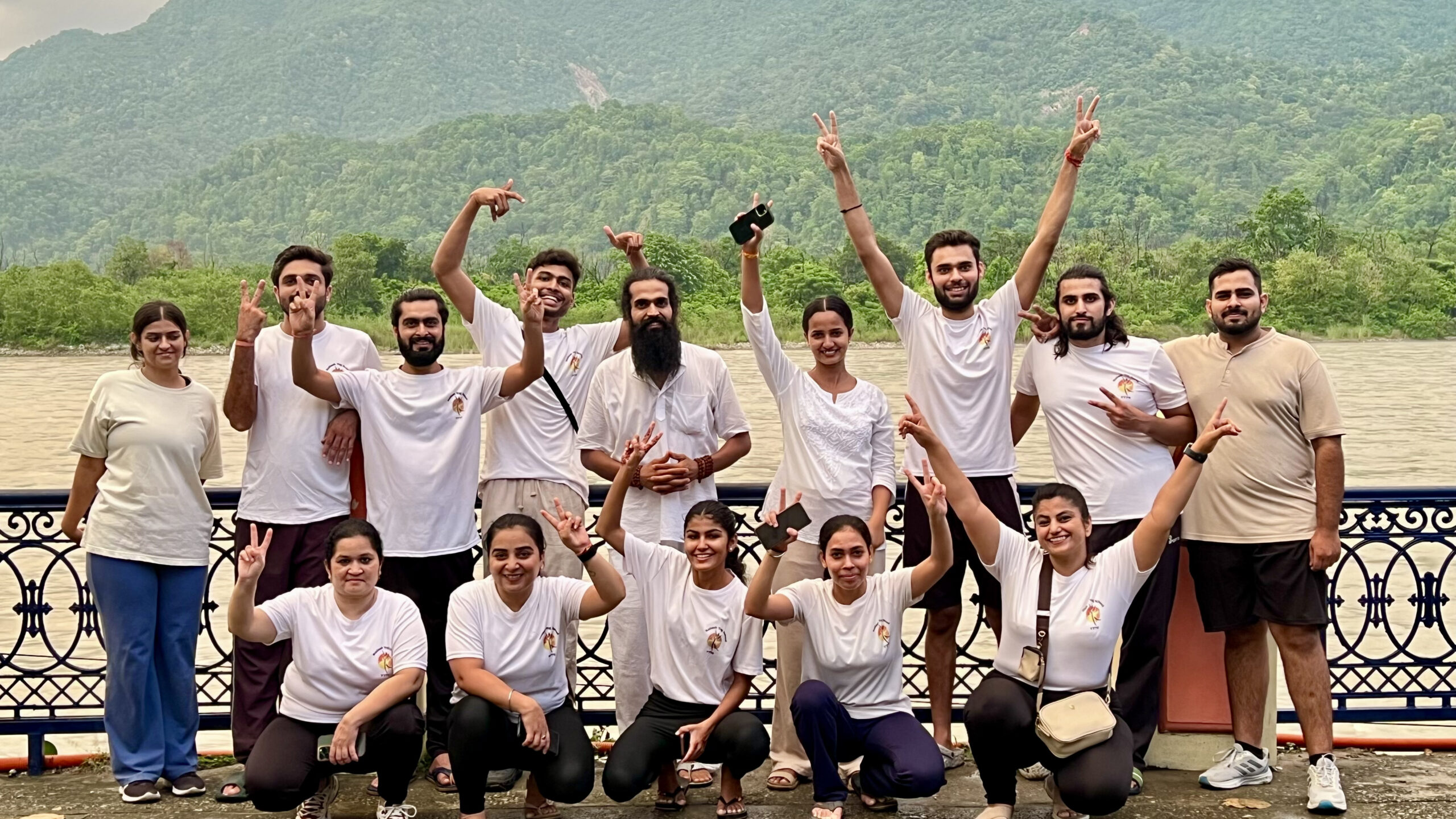
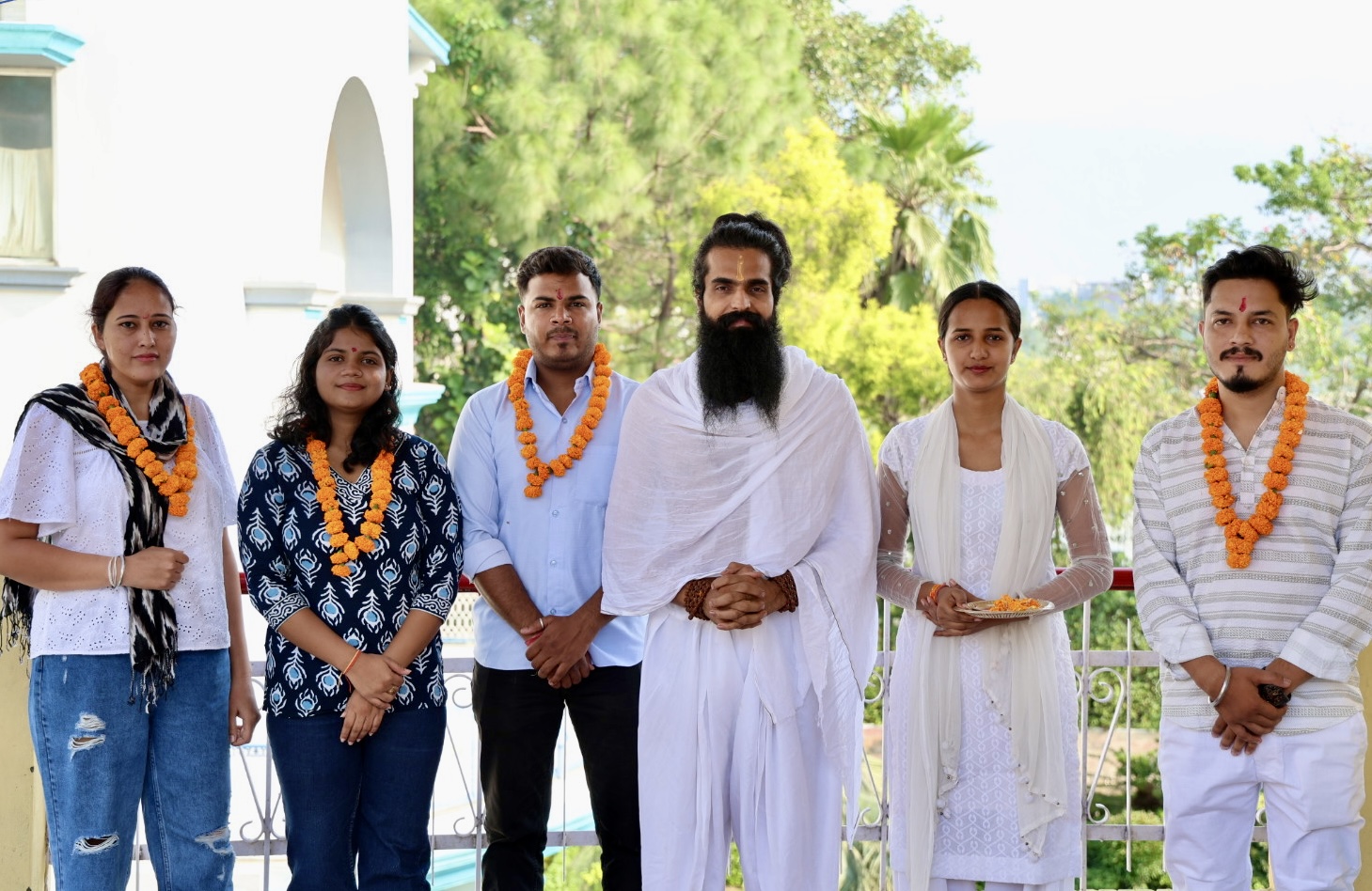
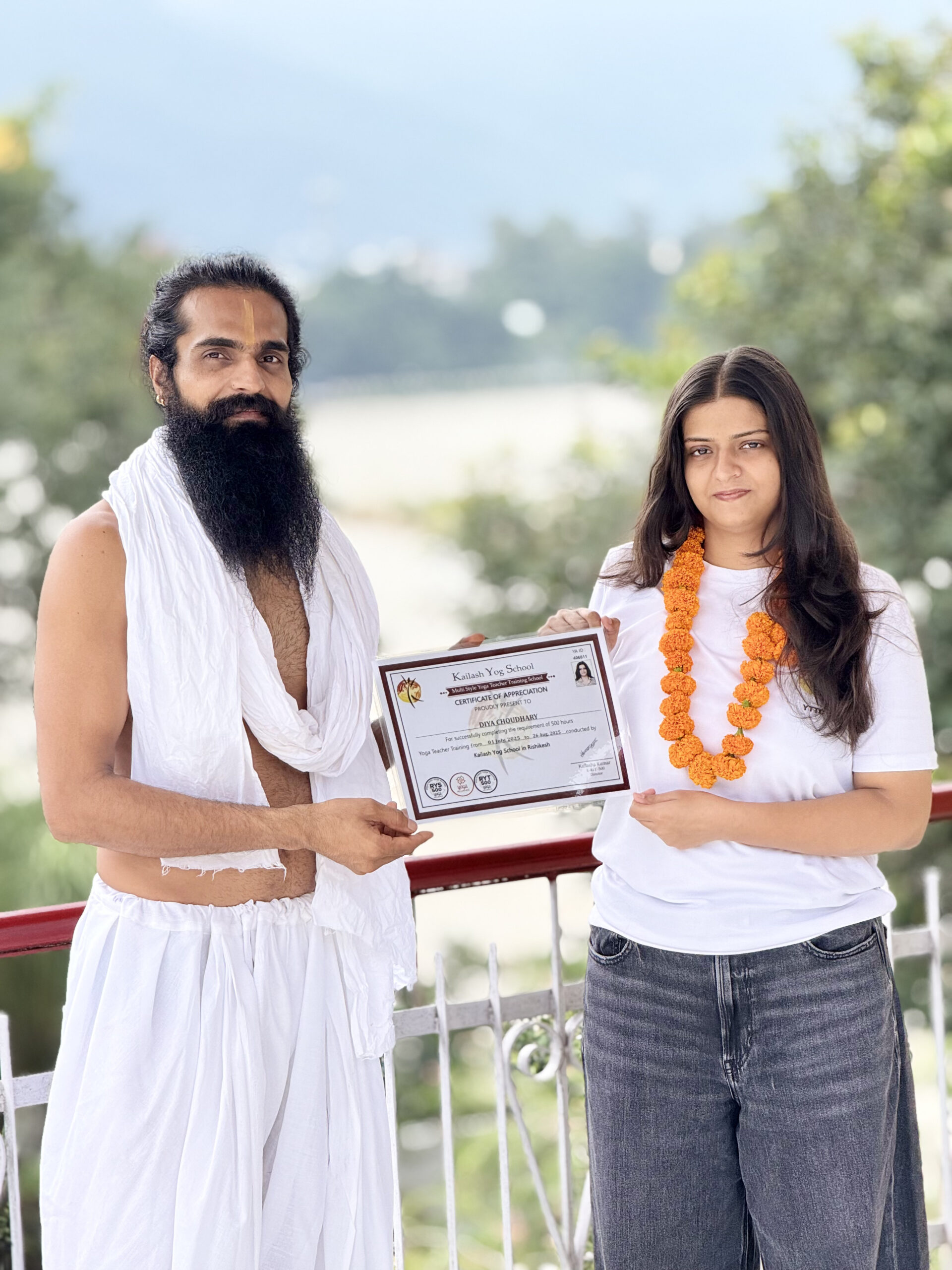
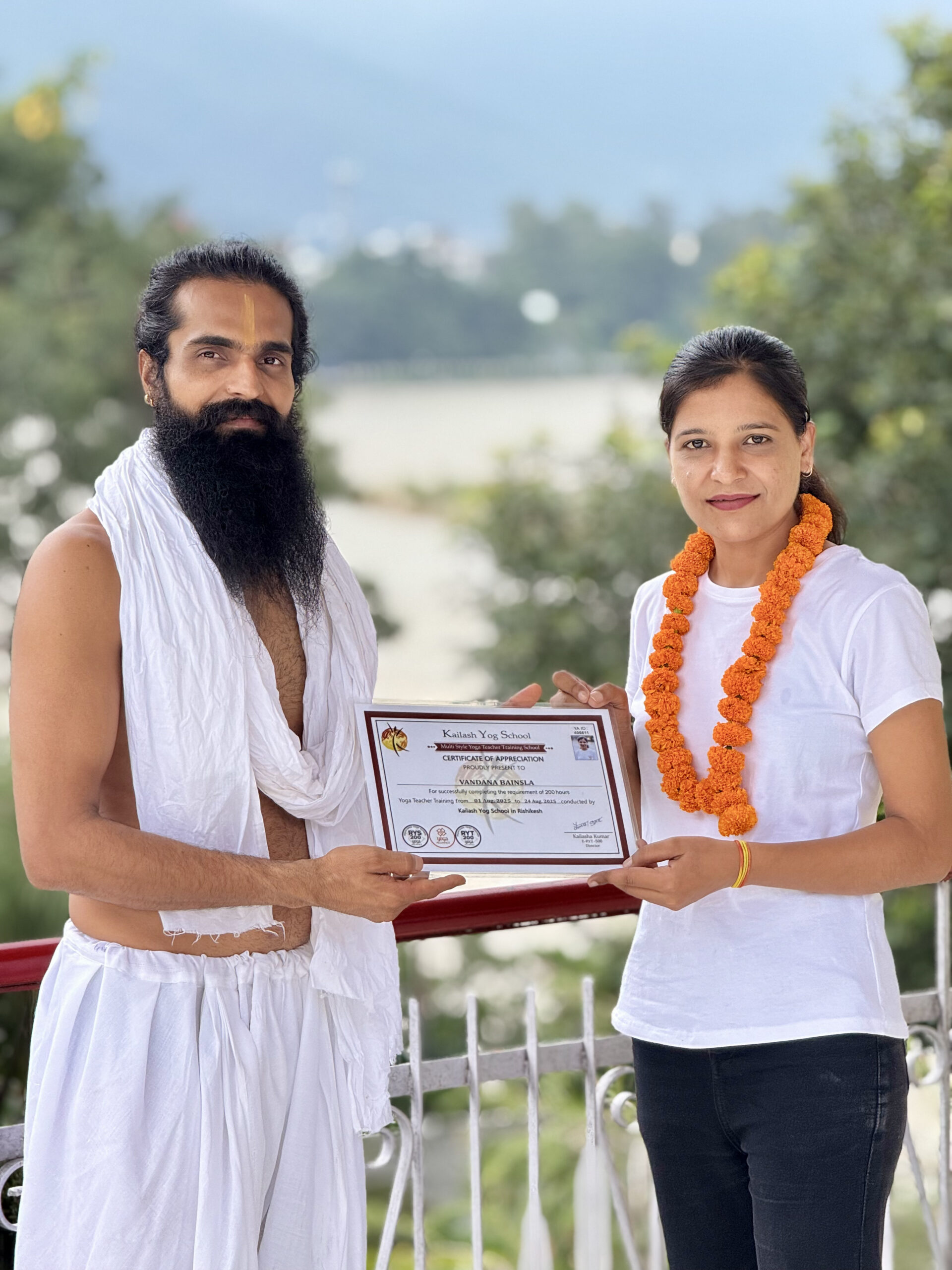
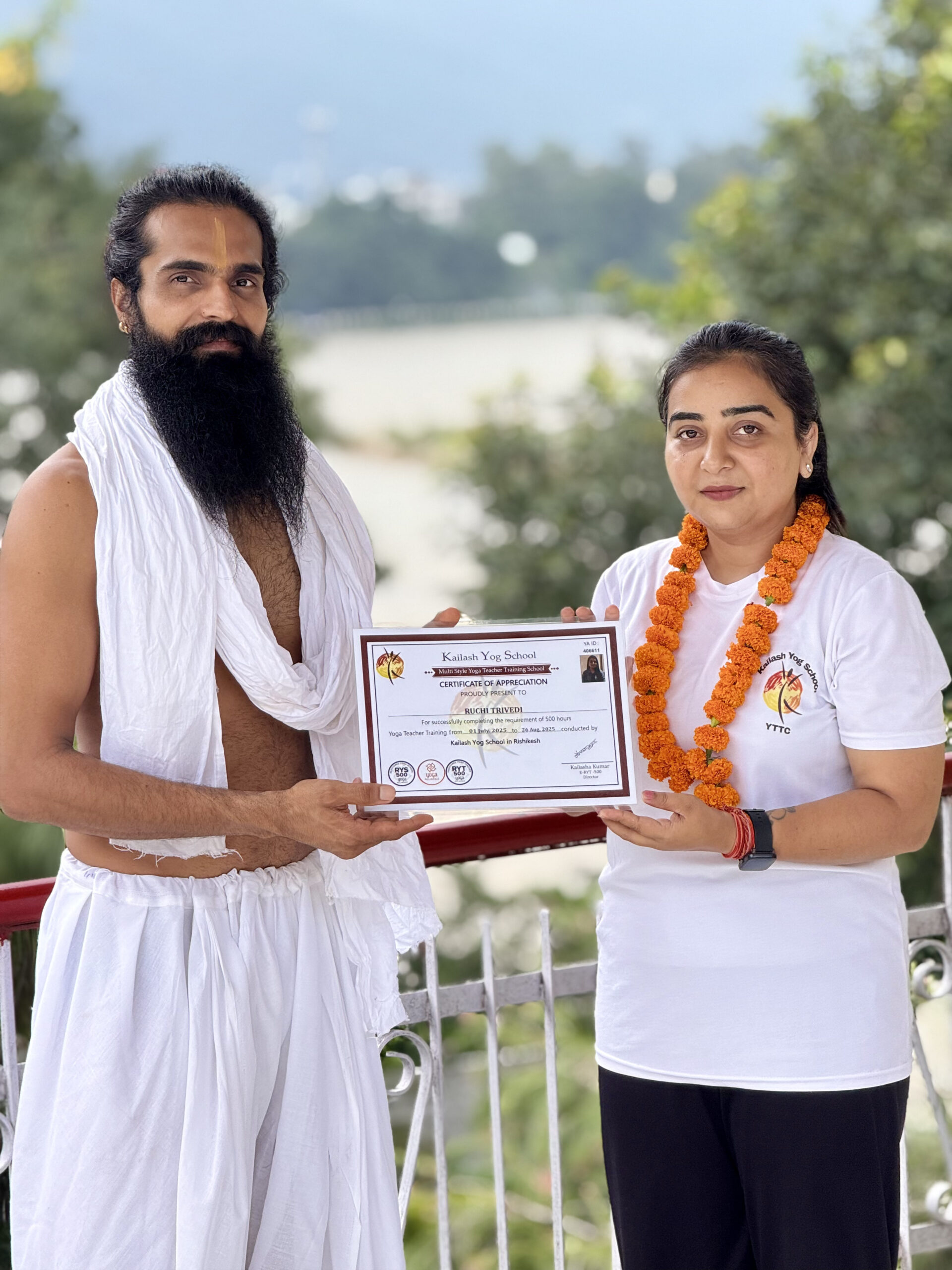
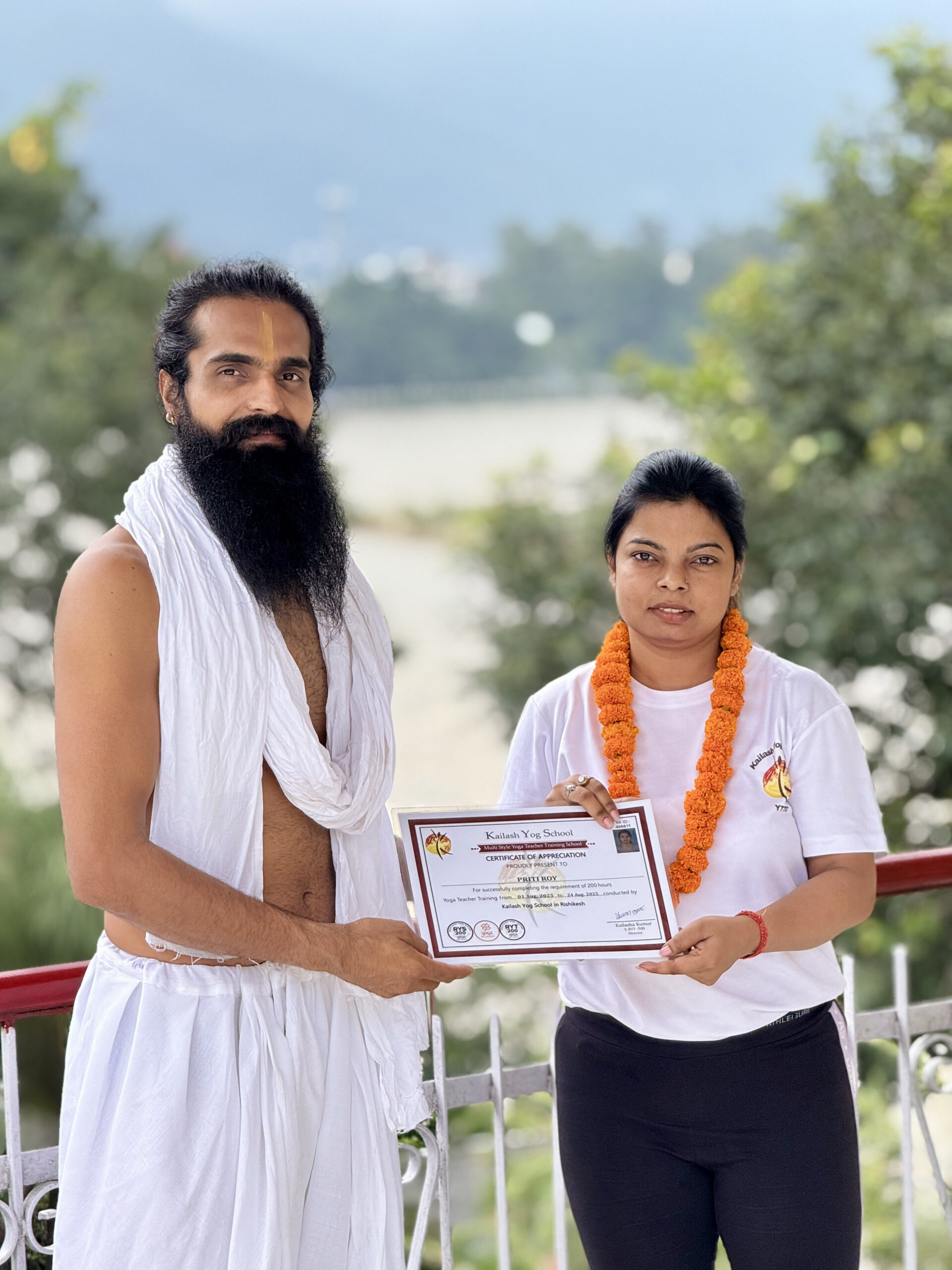
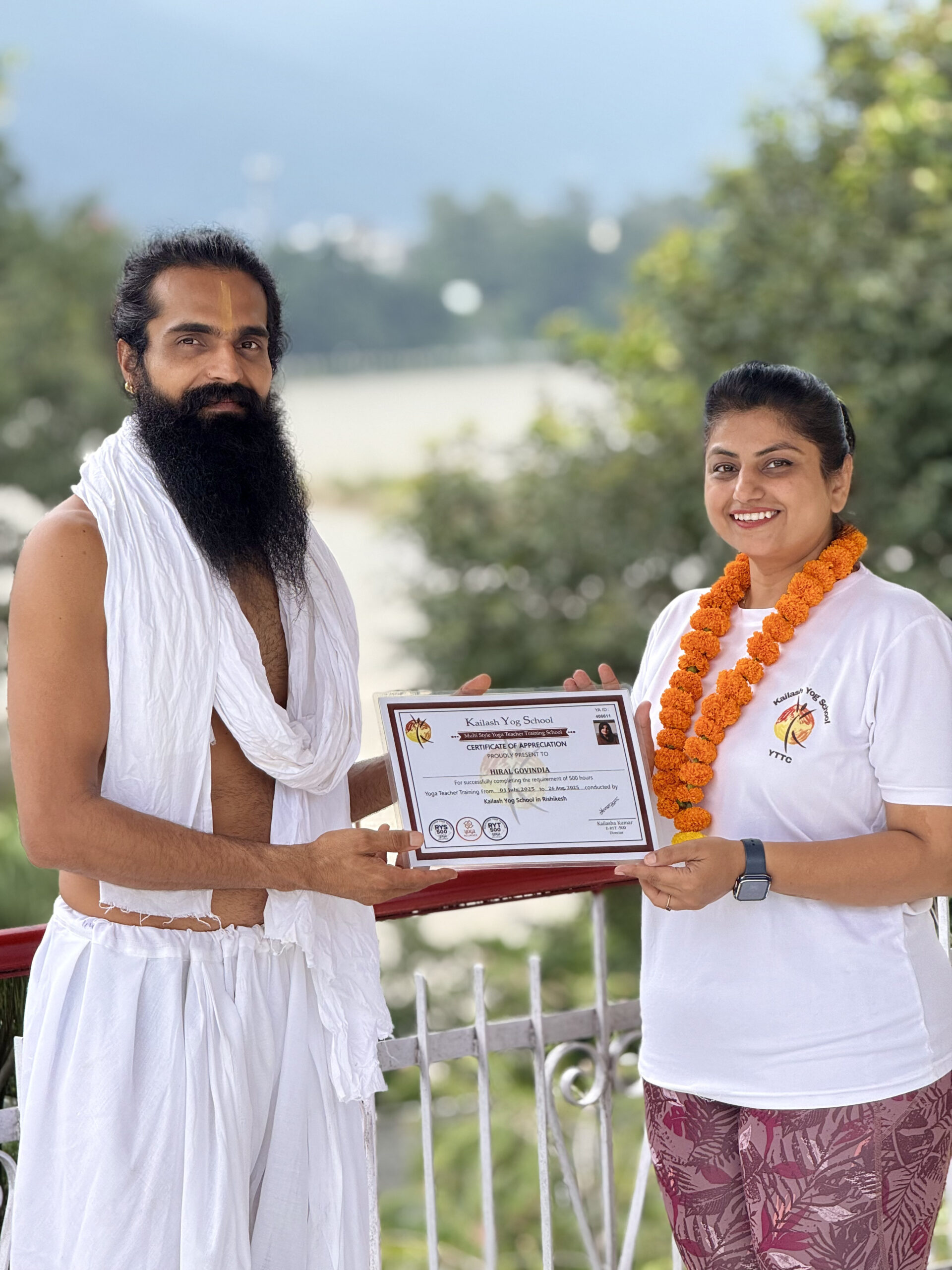
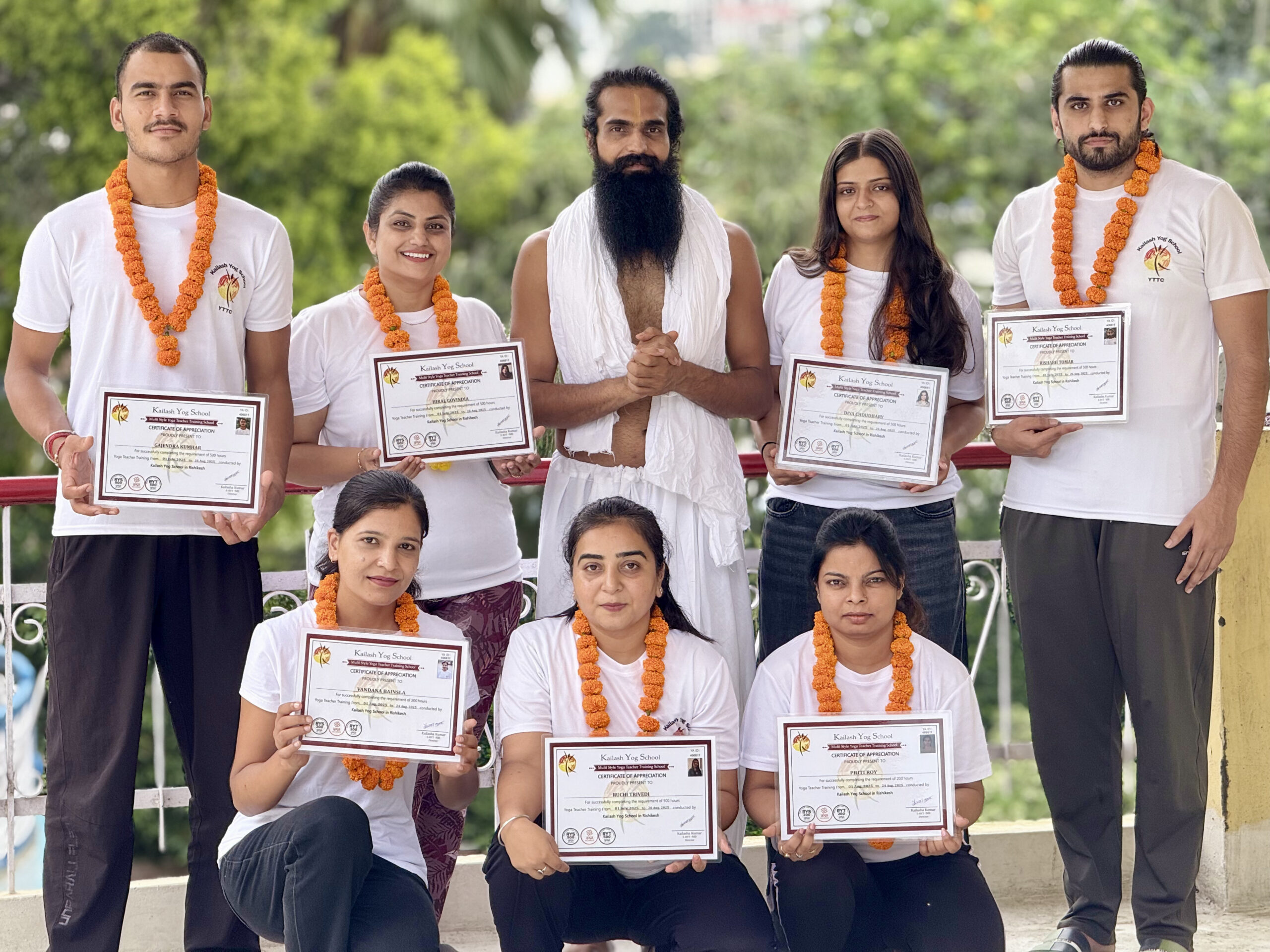
Gallery

Overview

The 85-Hour Prenatal & Postnatal Yoga Teacher Training at Kailasha Yoga Studio is a specialized program designed for yoga teachers and wellness professionals who want to safely support women through pregnancy and postpartum recovery.

This course goes far beyond gentle stretching. You will learn how the female body changes trimester by trimester, how to design safe sequences, how to support breath during labor, and how to guide mothers through physical and emotional transitions. We combine traditional yogic wisdom with modern anatomical understanding, ensuring that your teaching is both nurturing and informed.

By the end of this training, you will feel confident supporting women through one of the most transformative phases of their lives.

Hear from our students

What is included

  • Trimester-wise prenatal yoga sequencing

  • Postnatal recovery practices (including core & pelvic floor awareness)

  • Breathwork techniques for pregnancy and labor

  • Understanding diastasis recti & safe rehabilitation

  • Pelvic anatomy and hormonal changes during pregnancy

  • Contraindications, red flags, and safety protocols

  • Emotional support & trauma-sensitive teaching approach

  • Practice teaching sessions with guidance

  • Comprehensive training manual

This course is ideal for certified yoga teachers who wish to specialize in prenatal and postnatal yoga.

Wellness professionals such as doulas, physiotherapists, fitness trainers, or women’s health practitioners may also apply. A foundational understanding of yoga practice is important, as this is a focused and responsibility-driven training.

Most importantly, this course is for those who approach pregnancy with respect, awareness, and a sincere desire to support women safely and compassionately.

Techniques, Training & Practice

Traditional Hatha Yoga
  • Historical contexts of hatha yoga
  • Surya Namaskar (Sun Salutation)
  • Chandra Namaskar (Moon Salutation)
  • Pawan Muktasana series A, B, C
  • Asanas (Postures)
    • Standing Asanas
    • Vajrasana Group of Asanas
    • Backward Bending Asanas
    • Forward Bending Asanas
    • Spinal Twisting Asanas
    • Balancing Asanas
    • Inverted Asanas
    • Relaxation Asanas
  • Sequences
    • Standing Sequence
    • Kneeling Sequence
    • Sitting Sequence
    • Pronation Sequence
    • Supination Sequence
    • Inversion Sequence
    • Twisting Sequence
    • Hip-Opening Sequence
    • Forward Bending Sequence
    • Back Bending Sequence
 
Ashtanga Vinyasa Yoga
  • Historical contexts of Ashtanga Vinyasa yoga including different asanas.
  • Ashtanga Primary series Asanas with the asana alignment & adjustment, variations, contraindications, breathing techniques and their benefits
    • Surya Namaskar A (Sun salutation A) - 9 Vinyasas
    • Surya Namaskar B (Sun salutation B) - 17 Vinyasas
    • Standing asana series
    • Sitting asana series
    • Closing sequesnce
  • Understanding & practice of Vinyasa Flow
 
Alignment & Adjustment
  • Aspects of Yoga Alignment
  • Various Principles of Hands-Adjustments
  • Practical lessons on Alignments & Adjustment of various Asanas
Pranayama / Breathing Practices
  • Historical contexts of pranayama & subtle body.
  • Understanding of pranayama effects on your body.
  • Four Aspects of Pranayama
  • The Pranic Body
  • Five Major Pranas & Five Minor Pranas
  • Nadis - Channels of Prana
  • Ida Pingala and Sushumna
  • Location of the Nadis
  • Basic Understanding of Chakras
  • Different Types of Pranayama Practices
    • Abdominal (or diaphragmatic) breathing
    • Thoracic Breathing
    • Clavicular Breathing
    • Yogic Breathing
    • Nadi Shodhana Pranayama/ Alternate Nostril Breathing
    • Sheetali Pranayama/ Cooling Breath
    • Sheetkari Pranayama
    • Bhramari Pranayama
    • Ujjayi Breathing
    • Bhastrika Pranayama
    • Kapalbhati Pranayama/ Frontal brain cleansing breath
    • Surya Bhedi Pranayama
    • Chandra Bhedi Pranayama
Mudras & Bandhas
  • Mudras (Hand Gestures)
    • Five Element Theory
    • Jnana Mudra (Psychic Gesture of Knowledge)
    • Chin Mudra (Psychic Gesture of Consciousness
    • Hridaya Mudra (Heart Gesture)
    • Shoonya Mudra (Gesture of Emptiness)
    • Apan Mudra (Digestion Gesture)
    • Prana Mudra (Invocation of energy)
    • Vayu Mudra (Gesture of Air)
    • Prithvi Mudra (Gesture of Earth)
    • Buddhi Mudra (Gesture of Intellect)
  • Bandhas (Energy Lock)
    • Jalandhara Bandha (throat lock)
    • Moola Bandha (perineum contraction)
    • Uddiyana Bandha (abdominal contraction)
    • Maha Bandha (the great lock)
Shatkarma (Cleansing techniques)
  • Jalaneti
  • Rubber neti
  • Netra Shudhi (Eye cleansing)
Meditation
  • History and philosophy of meditation.
  • What is Meditation
  • Preparation for Meditation
  • Asanas for Meditation
  • Mudra & Bandhas for Meditation
  • Different Types of Meditation Practices
    • Mantra Meditation
    • Guided Meditation
    • Mindfulness Meditation
    • Loving Kindness Meditation
    • Inner Silence Meditation
    • Progressive Muscle Relaxation Meditation
    • Art Meditation
    • Breath Awareness Meditation
    • Emotional Awareness Meditation
    • Raisin Meditation
    • Trataka Meditation
    • Chakra Meditation
  • Yoga Nidra
Mantra Chanting
  • Mantra Practice with their meaning
    • Ganesh Mantra
    • Mahāmṛtyunjaya Mantra
    • Invocation to Guru
    • Shanti (Peace) Mantras
    • Pranayama Mantra
    • Universal Peace Mantra
    • Invocation to Patanjali
    • Hare Krishna Maha Mantra

Anatomy & Physiology

Yoga Anatomy, Physiology & Biomechanics
  • Anatomy & Physiology
    • Levels of structural complexities
    • Skeletal System
    • Muscular System
    • Nervous System
    • Endocrine System
    • Respiratory System
    • Cardiovascular System
    • Digestive System
  • Biomechanics
    • Force
    • Joint Movements
    • Safe Movements

Yoga Humanities

History, Yoga Philosophy & Ethics
  • History of Yoga
  • Origination & Meaning of Yoga
  • Different type of Yoga
  • Gyana Yoga, Karma Yoga, Bhakti Yoga, Hatha Yoga, Raja Yoga
  • The Eight Limbs of Yoga
  • Understanding of Patanjali Yoga Sutras
  • Understanding Bhagavad Gita
Ayurveda
  • Panchamahabhutas (The Five Element Theory)
  • The Human Constitution - Vata, Pitta, Kapha
  • The Three Gunas - Sattva, Rajas, Tamas

Professional Essentials

Teaching Methodology
  • Sequencing
  • Pace
  • Environment & ambiance of a yoga class
  • Yoga Cues
Teaching Practice
  • Teaching/guiding a yoga class
  • Command over teaching yoga
  • Essential skills for teaching a yoga class
  • Mentoring and feedback

Curriculum

The curriculum is carefully structured to balance theory and practice. You will study:

  • Anatomy of pregnancy and postpartum recovery

  • Hormonal and emotional changes

  • Safe modifications for each trimester

  • Breathwork for relaxation and labor preparation

  • Gentle strengthening and mobility work

  • Postnatal rebuilding of the core and pelvic stability

  • Sequencing for small group and private sessions

Special emphasis is placed on understanding what not to teach during pregnancy — ensuring safety always comes first.

Daily Schedule

Each day includes a balanced mix of theory and practical sessions. Mornings focus on applied practice and breathwork, while midday sessions cover anatomy, sequencing, and safety principles.

Afternoons are dedicated to practice teaching, case discussions, and real-life application scenarios. The schedule is immersive yet designed to allow reflection and integration.

S.No Time Subject Teacher
1 7:00 – 8:20 AM Ashtanga / Palm Balancing Kailash Bishnoi
Payal Rawat
2 8:30 – 9:00 AM Pranayam / Shatkaram Varsha Arya
3 9:00 – 10:00 AM Breakfast -
4 10:00 – 11:00 AM THEORY
Anatomy / Alignment & Adjustment / Ayurveda / PHI
Yusuf Khan
Varsha Arya
5 12:00 – 1:00 PM Lunch -
6 1:00 – 4:00 PM Rest -
7 4:00 – 5:30 PM Hatha Yoga Kailash Bishnoi
8 5:40 – 6:10 PM Meditation / Evening Walk -
9 6:30 – 8:30 PM Dinner -
10 9:00 – 9:45 PM Theory Test Both
11 10:00 PM Lights Off & Gate Closed -

Certification & Global Recognition

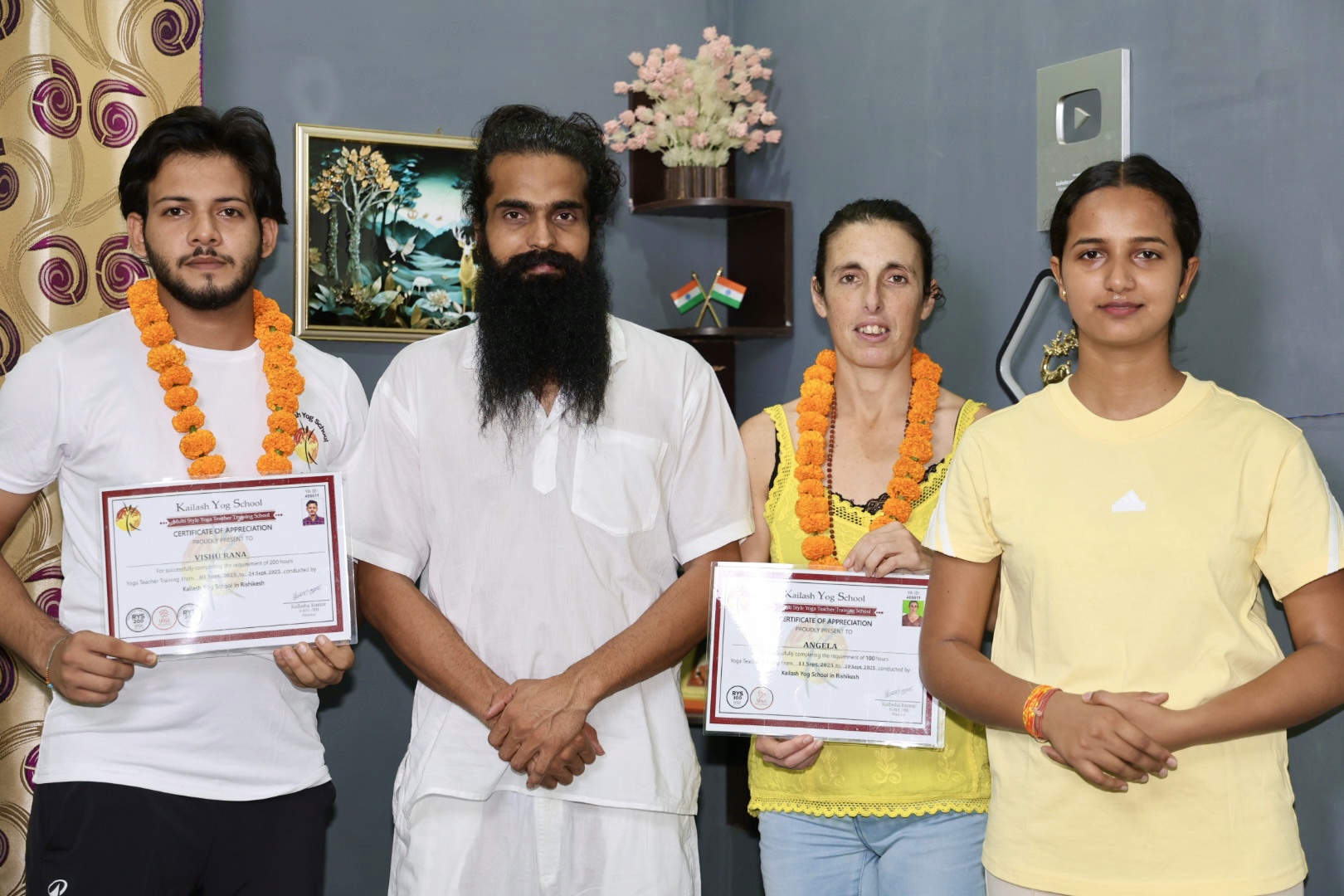
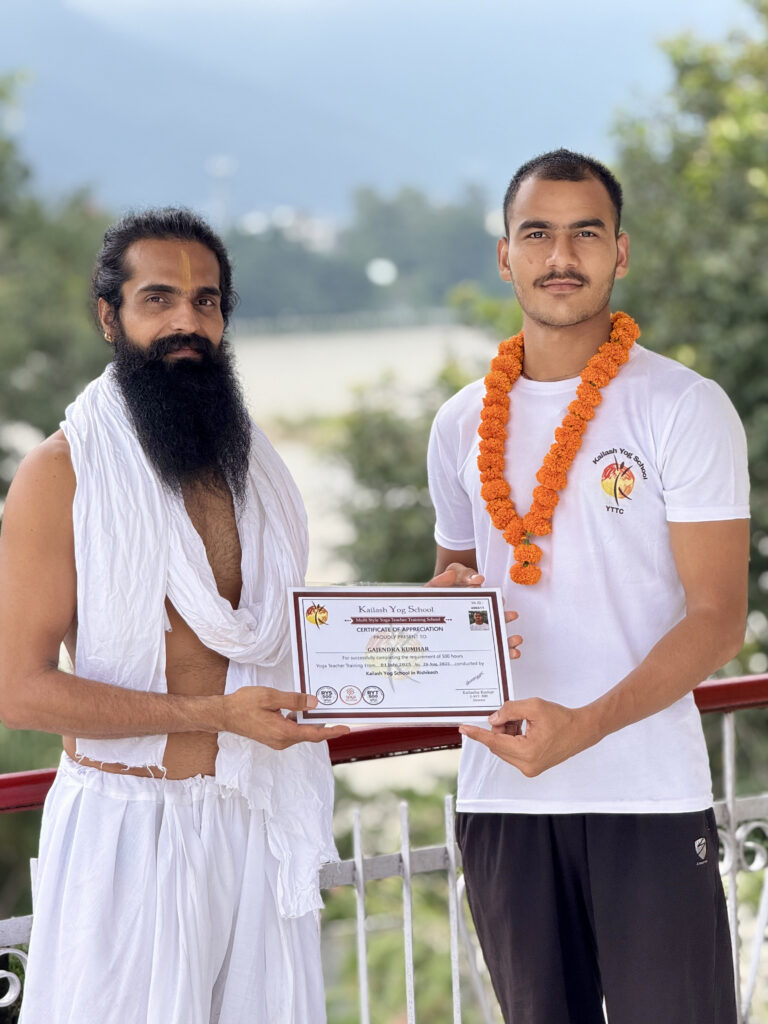
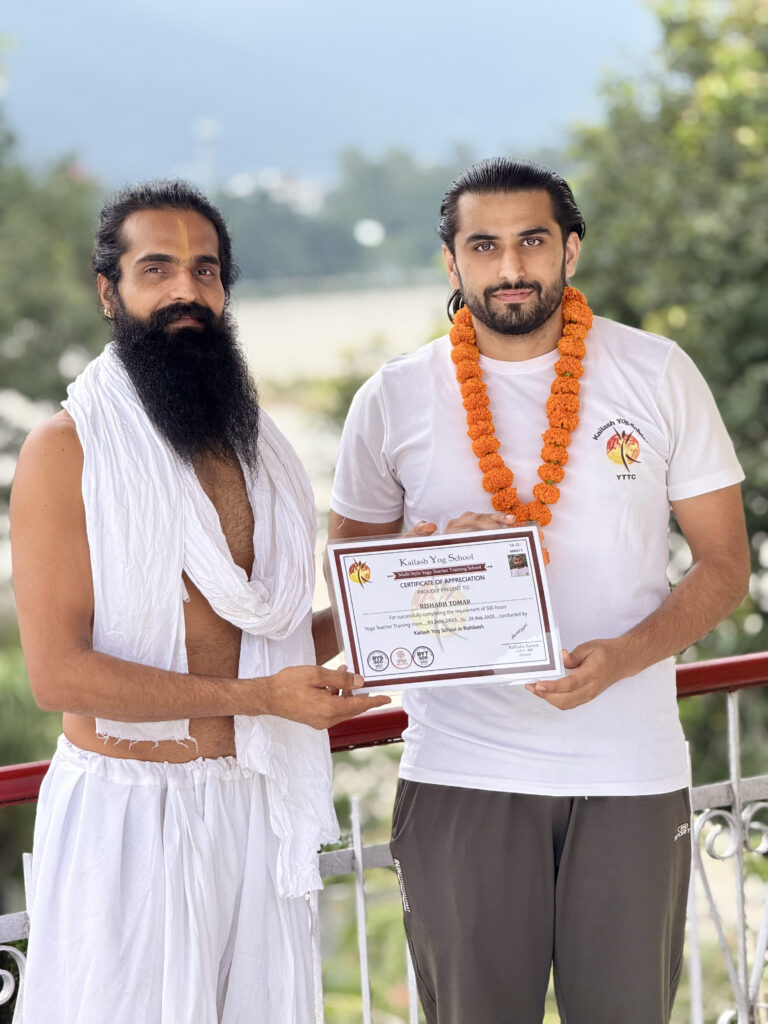
Upon successful completion of the training hours and active participation, you will receive an 85-Hour Prenatal & Postnatal Yoga Teacher Training certification from Kailasha Yoga Studio.

This certification qualifies you to teach prenatal and postnatal yoga safely and professionally. It adds specialization to your teaching profile and increases your credibility in women’s wellness.

Accommodation & Food (If Residential)

Students training in Rishikesh stay in clean, hygienic accommodation in a peaceful environment near the Ganga.

Fresh sattvik vegetarian meals are provided to maintain energy, digestive balance, and mental clarity throughout the training. Proper nourishment supports your learning experience.

Total Course Fee (Including Room & Food)

The 85-hour training is conducted as an intensive program. Fees include tuition, study materials, and certification.

For upcoming dates and detailed pricing, please contact Kailasha Yoga Studio directly.

200 Hrs YTTC

Duration – 24 Days
Shared Room – 26000₹
Private Room – 50000₹

500 Hrs YTTC

Duration – 56 Days
Shared Room – 60000₹
Private Room – 115000₹

Pre natal and Posthetal Yoga

Duration – 7 Days
Shared Room – 16000₹
Private Room – 25000₹

Why Kailasha?

At Kailasha Yoga Studio, we understand that prenatal yoga is not just another class — it is a responsibility. Our approach combines traditional yogic awareness with practical, safety-based training.

We focus on small groups, personal guidance, and building your confidence step by step so that you can guide expecting and new mothers with competence and compassion.

Google Rating

It was amazing experience with kailasha sir. Everyday new learning, no time boundation, no practice restrictions. You can do yoga practice at studio as much as you want. Sir is very supportive to correct the postures and keep you motivated to do yoga everyday. Thanks for all your support.

I just wanted to say thank you for helping me to make that positive change to my life. Just wanted to thank you again for the yoga class. It was really nice to see how you genuinely enjoy teaching and the pleasure you get from sharing your knowledge with others - your passion for yoga is very infectious.

Guide to Travelling to India

The nearest airport to Rishikesh is Jolly Grant Airport (Dehradun), approximately 30–40 minutes from the studio. Our team provides travel guidance once your enrollment is confirmed.
Visa

You would need a tourist Visa or an e-Visa to do the yoga course in India. You can get the visa for a duration ranging from 30 to 180 days depending on the visa you are applying for. Apply for a Visa

How to reach school
  • Firstly, you have to book a flight to New Delhi Aiport - Indira Gandhi International Airport (DEL). You can book a domestic flight to Dehradun Airport (DED) from Delhi. From Dehradun Aiport, we offer a free taxi pickup service for our students.
  • We do offer pickup from New Delhi - Indira Gandhi International Airport with an additional charge of 80 USD
Weather
  • Weather conditions are as follows in Rishikesh, India
    • October to February: Winter Season with December and January being the coldest months
    • March to June: Summer season with May and June being the hottest months
    • July to September: Rainy season
What to bring
You should bring your clothes and daily essentials. For yoga classes, it advised to bring yoga clothes. Apart from this, all other things required for the course will be provided by us.
 
Nearby stores
Our yoga school in Rishikesh is located in a peaceful area near the main city. The daily needs, clothes, cafes, restaurants, and currency exchange centers are all available at a walking distance of 10 minutes.
 
Currency exchange

Currency exchange centers are available at the Airport or on the streets nearby our school.

Plugs in India

In India, we only use C, D, and M types of plugs.

Local sim card

You can buy an Indian sim from the market or airport with the help of your Passport and ID.

Who is this course for?
Certified yoga teachers and wellness professionals who want to specialize in prenatal and postnatal yoga.
Do I need to be pregnant to join?
 No. This is professional training designed to teach you how to guide others safely.
Will I learn about medical contraindications?

Yes. Safety, red flags, and contraindications are an important part of the curriculum.

Can I teach immediately after certification?

Yes. You will have the knowledge and practical training to confidently teach prenatal and postnatal classes.

Is this course emotionally intense?
 It can be deeply meaningful, as it explores motherhood and transformation — but it is conducted in a supportive environment.
Inquiry
Contact Us WhatsApp